A water well casing pipe system is an essential component of groundwater well construction. It helps maintain borehole stability, separates selected geological formations, protects groundwater quality, and provides a durable structure for well operation.
For water well contractors, drilling companies, distributors, and engineering procurement teams, selecting the right water well casing pipe is an important step in building a reliable water supply system.
The functions of a water well pipe casing system depend on the geological conditions, well depth, groundwater characteristics, installation method, and applicable local regulations.
Material quality, pipe dimensions, connection design, and installation practices must work together to meet the project's requirements.
This guide explains the main functions of a water well casing system, the factors buyers should consider when selecting casing pipes, and the technical information to confirm with a supplier before placing an order.
What Is a Water Well Casing System?
A water well casing system is the structural lining installed inside a drilled borehole to support the well and control the movement of water between selected formations.
Depending on the well design, it may include casing pipe, joints or couplings, a well screen, centralizers, and sealing materials such as grout.
The casing pipe forms the main structural barrier. In many groundwater wells, the annular space between the casing and the borehole is sealed in designated intervals to prevent unwanted water movement and protect the well from surface contamination.
A casing system is not the same as a production tubing system used in an oil or gas well. Water well casing is selected primarily for groundwater well construction, structural support, and protection of water quality.
Main Functions of a Water Well Pipe Casing System
1. Maintaining Borehole Stability
One of the primary functions of a water well casing system is to support the borehole wall. During drilling, loose sand, gravel, weathered rock, and other unstable formations may fall into the well, making drilling difficult or obstructing the borehole.
Installing casing through the required intervals helps prevent the borehole from collapsing and maintains a defined internal passage for drilling tools, pumps, and other equipment.
For buyers, the required casing strength depends on factors such as borehole depth, surrounding ground conditions, installation loads, and potential external pressure. Wall thickness and material strength should therefore be selected according to the well design rather than price alone.
2. Protecting Groundwater from Contamination
Groundwater protection is another critical function of water well casing. Without appropriate casing and sealing, contaminated surface water may travel down the annular space between the casing and the borehole wall.
A properly designed system combines suitable casing materials with effective annular sealing and a sanitary wellhead arrangement. These measures help reduce the risk of contaminants entering the well from the surface or from unsuitable shallow formations.
For drinking-water projects, buyers should verify that the proposed casing material, joints, seals, and other components are suitable for the intended water quality and comply with the applicable local requirements.
The casing pipe alone does not guarantee safe drinking water. Proper well siting, construction, disinfection, and ongoing water-quality monitoring are also necessary.
3. Separating Different Aquifer Layers
Different geological formations can contain groundwater with different chemical compositions, pressure conditions, or contamination risks. A water well casing system helps control communication between these formations when combined with the appropriate casing arrangement and seals.
For example, a shallow aquifer may be vulnerable to surface pollution, while a deeper aquifer may be the intended water source. Sealing the relevant intervals can help prevent water from moving between the two formations through the borehole.
This function is especially important in wells that penetrate multiple aquifers. The casing and sealing design should be based on the geological log, groundwater conditions, and the intended screened or open intervals.
4. Supporting Well Screens and Pump Equipment
The casing system provides a defined structure for installing and operating well equipment. Depending on the well design, it can support connections to a well screen, pump assembly, drop pipe, and other downhole components.
In screened wells, the screen is normally positioned across the productive water-bearing formation, while the surrounding casing provides structural continuity through the relevant sections of the borehole.
The casing's internal diameter must allow sufficient clearance for the selected pump and installation equipment. Buyers should check the actual internal diameter, wall thickness, joint dimensions, and any restrictions caused by couplings or other components before confirming a specification.
5. Controlling Unwanted Water Movement
A well may pass through formations that should not contribute water to the completed well. Appropriate casing and sealing arrangements help control inflow from these intervals and direct groundwater entry toward the intended production zone.
The effectiveness of this arrangement depends on the casing layout, screen placement, annular seals, and local geological conditions. Simply installing a steel or plastic pipe without an appropriate completion design may not prevent unwanted water movement.
For engineering and procurement teams, the well design should identify which intervals require casing, screening, or sealing before the pipe quantities and specifications are finalized.
6. Improving Long-Term Well Reliability
A suitable casing system helps maintain the well's structural integrity throughout its service life. Material compatibility, corrosion resistance, joint integrity, installation quality, and exposure to groundwater chemistry all affect long-term performance.
For steel water well casing, buyers should consider the water's corrosivity, expected mechanical loads, and the protective measures required by the project. For PVC or other nonmetallic casing, dimensional stability, material properties, connection design, and installation limitations should be evaluated.
No single casing material is suitable for every groundwater project. Selecting the material for the actual operating environment is more reliable than choosing solely by initial purchase price.
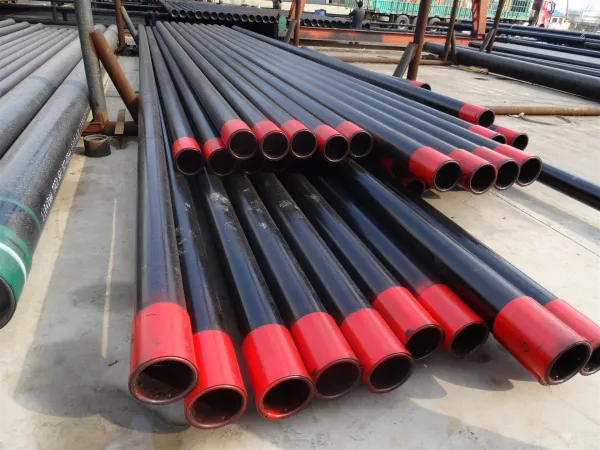
Common Water Well Casing Materials
Material selection is one of the most important purchasing decisions for a water well casing system. The following table summarizes common options and their typical considerations.
|
Casing Material
|
Main Advantages
|
Purchasing Considerations
|
|
Carbon steel
|
High mechanical strength and suitability for many demanding well applications
|
Corrosion risk, wall thickness, coating requirements, and joint integrity
|
|
Stainless steel
|
Good corrosion resistance in many water environments
|
Higher material cost, grade selection, and water chemistry compatibility
|
|
PVC
|
Corrosion resistance and relatively low weight
|
Pressure and load limitations, temperature limits, and connection requirements
|
|
Other engineered plastics
|
Potential corrosion resistance and application-specific performance
|
Verify the material standard, design ratings, groundwater compatibility, and installation requirements
|
The most appropriate choice depends on well depth, ground conditions, water chemistry, required service life, applicable standards, and project budget.
For projects involving drinking water, buyers should also confirm that all wetted materials meet the relevant drinking-water contact requirements in the destination market.
How to Select the Right Water Well Casing Pipe
A reliable water well casing system starts with a clear technical specification. Before requesting quotations, buyers should establish the following requirements.
1. Casing Diameter and Wall Thickness
The casing diameter must match the borehole design and provide sufficient clearance for the pump and related equipment. Wall thickness must be suitable for the expected installation loads and operating conditions.
When comparing quotations, distinguish between nominal size, outside diameter, inside diameter, and wall thickness. These dimensions are related but are not interchangeable.
A quotation should state the applicable dimensional standard or project-specific tolerances so that different suppliers can be compared on a consistent basis.
2. Well Depth and Geological Conditions
The required casing length and strength depend on the total well depth and the formations encountered. Loose or unstable strata may require casing during drilling, while the final completion design determines the permanent casing and screened intervals.
Buyers should provide the borehole diameter, target depth, geological information, and expected installation method whenever these details are available.
3. Material and Corrosion Resistance
Groundwater chemistry can affect casing service life. Factors such as pH, dissolved salts, chloride concentration, and other site-specific chemical conditions may influence material selection.
For steel casing, confirm the material grade, specified wall thickness, relevant mechanical properties, and any required surface protection. For nonmetallic casing, check the product's applicable dimensional and performance requirements.
Material selection should be reviewed against the actual project conditions rather than based on a general claim that one material lasts longer than another.
4. Joint and Connection Type
Casing pipes may use threaded connections, couplings, solvent-welded joints, or other connection systems depending on the material and design.
The selected connection must be compatible with the pipe dimensions, installation method, and expected loads. For threaded steel casing, buyers should specify the required thread configuration and coupling arrangement where applicable.
For PVC casing, verify that the joint system is designed for the intended installation conditions. A connection suitable for a shallow well may not automatically be suitable for a deeper or more demanding application.
5. Applicable Standards and Inspection Requirements
Water well casing does not have one universal specification that applies to every material and project. Requirements may vary by country, intended use, material, and local groundwater regulations.
Before ordering, confirm the applicable product or project standard, dimensional tolerances, inspection requirements, and documentation. Depending on the project, buyers may request material test certificates, inspection records, or other quality documents.
Water Well Casing Installation: Key Considerations
Correct installation is essential to achieving the intended functions of a water well casing system.
Borehole preparation: The borehole must be drilled and prepared according to the well design. Its diameter and stability should accommodate the selected casing and installation method.
Casing placement: Pipes should be handled and installed in a way that avoids unnecessary deformation, damage to protective surfaces, and connection defects.
Screen positioning: Where a well screen is required, its location and slot characteristics should be matched to the productive formation and the well's sand-control design.
Annular sealing: Grout or other approved sealing materials should be installed in the designated intervals using the method required by the project and local regulations. Sealing helps prevent unwanted movement of water along the outside of the casing.
Wellhead protection: The completed well should have an appropriate sanitary seal and surface arrangement to reduce the entry of surface water, debris, and contaminants.
Inspection and commissioning: Before the well enters service, the contractor should carry out the inspections and testing required by the project. Water quality should be evaluated as appropriate for the intended use.
Installation procedures vary with casing material, borehole conditions, and local requirements. Qualified well contractors should determine the construction method for each project.
Frequently Asked Questions
What is the main function of a water well casing system?
The main function is to maintain borehole stability and help protect groundwater quality. When properly designed and installed, the system also separates selected geological intervals, supports well equipment, and controls unwanted water movement.
What materials are commonly used for water well casing pipes?
Common materials include carbon steel, stainless steel, and PVC. The right option depends on the well depth, ground conditions, groundwater chemistry, mechanical requirements, local regulations, and project budget.
How do I choose the correct water well casing diameter?
The casing diameter should be determined by the well design, borehole diameter, required pump clearance, and any applicable installation requirements. Buyers should verify outside diameter, inside diameter, and wall thickness before ordering.
Does a water well casing pipe need to be sealed?
In many water well designs, sealing the annular space around designated casing intervals is necessary to reduce contamination risks and prevent unwanted water movement between formations. The sealing method and intervals should follow the well design and applicable regulations.
How long does a water well casing system last?
Service life varies with material, groundwater chemistry, mechanical loading, installation quality, and maintenance. There is no single service-life estimate that applies to all wells. Buyers should select materials and connections based on the expected operating environment.
What information should I provide when requesting a water well casing quotation?
Provide the required material, outside diameter, wall thickness, pipe length, quantity, connection type, applicable standard, destination, and intended application. Borehole depth, geological conditions, and groundwater chemistry are also useful for confirming suitability.
Is API 5CT suitable for every water well casing project?
No. API 5CT is an oil and gas casing and tubing specification and should not automatically be treated as the governing standard for water well casing. Buyers should confirm the standard required for their particular application and destination market.
Conclusion
In conclusion, the functions of a water well pipe casing system are essential for the success and longevity of a well. From protecting against contamination to facilitating maintenance and ensuring structural stability, this system plays a vital role in water well operations. Choosing the right materials and installing the casing pipe correctly are critical steps to achieving a reliable and efficient water well.

 English
 Español
 بالعربية
 Phone :
 Whatsapp :
 Email :