In downhole corrosive environments with high salinity and containing CO₂, H₂S, and microorganisms, OCTG pup joints typically employ a combination of combined protection methods to extend their service life. These include: selecting corrosion-resistant steel grades (such as L80, 13Cr, and other corrosion-resistant alloy steels) for the material end; applying internal and external anti-corrosion coatings (such as epoxy resin, FBE coating, or fusion-bonded epoxy powder coating) to the surface treatment; combining this with external cathodic protection (sacrificial anode or impressed current system) to reduce the electrochemical corrosion rate; and using high-performance thread grease and sealant at the threaded connection to prevent crevice corrosion. In highly corrosive oil and gas wells, continuous injection of corrosion inhibitors and regular inspection and maintenance can also be combined to achieve multi-level comprehensive protection for the pup joints.
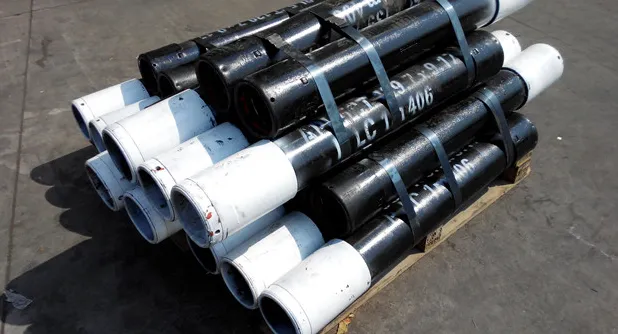
Why OCTG Pup Joints Corrodes?
Corrosion in oil tubing occurs when the metal reacts with corrosive elements in fluids or surrounding environments. Common causes include:
CO₂ corrosion: Carbon dioxide forms carbonic acid in the presence of water, aggressively attacking steel surfaces.
Acid gases and H₂S: These can accelerate pitting and sulfide stress corrosion cracking.
Water and salts: Even small amounts of water and dissolved salts in crude oil can trigger oxidation and uniform corrosion.
Without protection, corrosion directly degrades the tubing material, leading to wall thinning, leaks, and mechanical failures.
How does a pup joint prevent corrosion?
1. Choose the right material: For CO₂-containing environments, chromium-containing martensitic stainless steel should be preferred. If the environment contains H₂S, sulfur-resistant materials (such as L80-13Cr or duplex stainless steel) must be selected strictly according to NACE MR0175/ISO 15156 standards. This is the most fundamental solution.
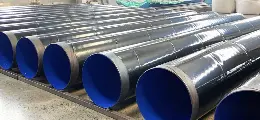
2. Surface engineering and coating protection: For situations where expensive alloys cannot be used, internal coatings are an economical and effective method. Epoxy phenolic internal coatings act like a "skin," isolating the corrosive medium from the metal substrate. Phosphating or selective copper plating of the threaded parts can prevent rust and also prevent sticking during threading.
3. Thread storage and transportation protection: Many short joints corrode not downhole, but during storage at the well site. Applying high-performance thixotropic thread protectants can effectively prevent this.
4. Chemical protection: If rust has already formed, injecting corrosion inhibitors into the tubing is the primary remedial measure. Film-forming amine corrosion inhibitors can adsorb onto metal surfaces, forming a hydrophobic monolayer protective film.
5. Cathodic Protection and Monitoring For buried or subsea pipelines, external cathodic protection can effectively slow down external corrosion. However, it is important to note that in H₂S-containing environments, potential control must be precise; excessively negative potentials may induce hydrogen embrittlement.
The specific applications of anti-corrosion pup joint technology for casing and tubing include the following aspects:
Surface treatment: Surface treatment is carried out at the oil pipe connection, such as spraying anti-corrosion paint, hot-dip galvanizing, etc., to form a protective film to block the erosion of the pipeline by corrosive media.
Coating protection: Use special anti-corrosion coatings, such as epoxy resin coatings, polyethylene coatings, etc., to improve the corrosion resistance of pipelines.
Cathodic Protection: Reduce corrosion by installing cathodic protection equipment, such as cathodic protection galvanic systems, on the surface of the pipeline, making the pipeline a cathode.
Insulation layer: An insulation layer is installed at the pipe connection to prevent direct contact of corrosive media with the pipeline and improve the corrosion resistance of the pipeline.
The technical parameters of oil pipe anti-corrosion Pup Joint are as follows. Anode dimensions: φ102mmx460mm; Anode alloy materials: A1, Zn; Design life: 3 years; Installation position: One oil pipe is installed every 90~100m.
In general, oil pipe anti-corrosion plug joint technology has important application value in the engineering field. It can ensure the safe and stable operation of the pipeline system, reduce environmental pollution, and reduce operating costs. It is a very effective pipeline anti-corrosion method. With the continuous advancement of science and technology, I believe this technology will be more widely used and developed.
FAQ
Will pup joint rust?
Short joints often rust in the high salinity and corrosive environments of oil and gas wells, such as those containing CO₂/H₂S. However, by using appropriate materials, surface coatings, anti-corrosion thread grease, and cathodic protection, corrosion can be effectively slowed down and service life extended.
Can a Crossover Joint be used instead of a pup joint?
A Crossover Joint is not a direct replacement for a pup joint, but it is often used in the same system. It connects different thread types or sizes, while pup joints are mainly used for length adjustment. In some complex well assemblies, both components are used together to ensure proper fit and alignment.
Is internal coating necessary for OCTG pup joints?
Yes, in corrosive environments, internal coatings or linings are highly recommended. They provide an additional barrier against produced fluids containing salt, CO₂, and H₂S, extending service life.

 English
 Español
 بالعربية
 Phone :
  Whatsapp :
  Email :


