API 5DP drill pipe sizes, weights and specifications are essential when selecting drill pipe for oil and gas drilling operations. The correct configuration depends on pipe body outside diameter (OD), nominal weight, wall thickness, steel grade, upset type, tool joint connection and required length.
API Specification 5DP defines technical delivery requirements for steel drill pipe with upset pipe-body ends and welded-on tool joints. It covers product specification levels PSL-1, PSL-2 and PSL-3, with additional requirements depending on the selected level. API's official standards catalog provides a reference for checking the applicable specification and related addenda.
This guide covers common API 5DP drill pipe dimensions, weight options, steel grades, connection types and purchasing considerations to help drilling contractors, distributors and procurement teams compare suitable configurations.
API 5DP Drill Pipe Size and Weight Chart
The following table summarizes commonly listed API 5DP drill pipe configurations. It includes nominal outside diameter, nominal weight, pipe-body wall thickness and typical rotary-shouldered connection designations.
|
Nominal Size (in)
|
Nominal Weight (lb/ft)
|
Pipe OD (mm)
|
Wall Thickness (mm)
|
Typical Connection
|
|
2 3/8
|
6.65
|
60.32
|
7.11
|
NC26
|
|
2 7/8
|
10.4
|
73.02
|
9.19
|
NC31
|
|
3 1/2
|
13.3
|
88.9
|
9.35
|
NC38
|
|
3 1/2
|
15.5
|
88.9
|
11.4
|
NC38 / NC40, depending on configuration
|
|
4
|
14
|
101.6
|
8.38
|
NC40 / NC46, depending on configuration
|
|
4 1/2
|
16.6
|
114.3
|
8.56
|
NC46 / NC50, depending on configuration
|
|
4 1/2
|
20
|
114.3
|
10.92
|
NC46 / NC50, depending on configuration
|
|
5
|
19.5
|
127
|
9.19
|
NC50
|
|
5
|
25.6
|
127
|
12.7
|
NC50 / 5 1/2 FH, depending on configuration
|
|
5 1/2
|
21.9
|
139.7
|
9.17
|
5 1/2 FH
|
|
5 1/2
|
24.7
|
139.7
|
10.54
|
5 1/2 FH
|
|
6 5/8
|
25.2
|
168.28
|
8.38
|
6 5/8 FH
|
|
6 5/8
|
27.7
|
168.28
|
9.19
|
6 5/8 FH
|
Technical note: These are representative commonly listed configurations, not a complete reproduction of API Spec 5DP dimensional tables.
Connection availability, upset type, grade compatibility and dimensional tolerances must be confirmed against the applicable standard edition and the manufacturer's approved product data.
How to Read an API 5DP Drill Pipe Size Chart ?
A drill pipe designation contains several separate parameters. They should not be treated as interchangeable.
Nominal size: The designated pipe-body outside diameter, such as 3 1/2 in or 5 in.
Nominal weight: The reference weight per foot, expressed in lb/ft. Confirm whether a supplier's listing refers to pipe-body nominal weight or another weight basis.
Wall thickness: The nominal thickness of the pipe body. Different wall thicknesses can be available for the same outside diameter.
Steel grade: The specified material grade, selected according to strength and operating requirements.
Connection: The rotary-shouldered connection used to join drill pipe sections.
Upset type: The configuration of the pipe-body ends, which affects the end geometry and connection design.
A 5 in drill pipe, for instance, can be available in more than one nominal weight. The 19.5 lb/ft configuration and the 25.6 lb/ft configuration have different nominal wall thicknesses and calculated body IDs.
They should not be assumed to have the same hydraulic or mechanical performance.
API 5DP Drill Pipe Dimensions
Drill pipe dimensions affect load capacity, drilling-fluid circulation, handling and compatibility with the rest of the drill string. The principal dimensions include pipe-body OD, wall thickness, inside diameter (ID), upset dimensions and tool joint geometry.
Outside Diameter and Wall Thickness
The outside diameter determines the nominal pipe-body size. Wall thickness affects the available internal flow area and contributes to the pipe body's structural performance.
For preliminary reference, pipe-body ID can be estimated using:
Pipe-body ID = Pipe-body OD − 2 × Wall Thickness
For example, a pipe with a nominal OD of 127.00 mm and a wall thickness of 9.19 mm has a calculated nominal body ID of approximately 108.62 mm.
This is a geometric calculation, not a guarantee of the minimum internal diameter or finished-product tolerance. Internal geometry, manufacturing tolerances, wear and other requirements must be checked before final design or procurement.
Nominal Weight vs. Actual Drill Pipe Weight
Nominal weight in lb/ft is a standard reference used to identify a drill pipe configuration. The actual weight of a finished drill pipe assembly can differ because the pipe body, upset ends, tool joints and weld areas do not all have the same geometry.
When calculating total drill string weight or transportation weight, do not simply assume that the nominal pipe-body weight represents the exact weight of each finished joint. Use the manufacturer's confirmed unit weight or assembly data.
Drill Pipe Length Ranges
API drill pipe is commonly supplied in standard length ranges, often referred to as Range 1, Range 2 and Range 3. Actual length limits and the way length is measured should be verified against the applicable specification and purchase requirements.
The required length range matters when estimating the number of joints, planning pipe handling and calculating the total drill string length. If a project requires a specific finished length, include it in the inquiry rather than relying only on the nominal size.
Key Specifications of API 5D Drill Pipes
Material and Grades: API 5D drill pipes are made of high-grade steel with options like E-75, X-95, G-105, and S-135. Each grade ensures specific tensile and yield strengths, providing flexibility for various drilling conditions.
Dimensions: Drill pipes are typically 31 feet in length, but the range varies between 18 and 45 feet. Outer diameters range from 2 3/8 inches to 6 5/8 inches.
Weight and Wall Thickness: Nominal weights and wall thicknesses for API 5D pipes are specified in standard tables. These dimensions ensure compatibility and performance in drilling operations.
|
Mechanical properties of API drill pipe grades
|
|
Grade
|
Yield strength
|
Tensile strength
|
API
|
|
psi
|
psi
|
psi
|
|
N/mm2
|
N/mm2
|
N/mm2
|
|
min.
|
max.
|
min.
|
|
E-75
|
75 000
|
105 000
|
100 000
|
Spec. 5 DP
|
|
515
|
725
|
690
|
|
X-95
|
95 000
|
125 000
|
105 000
|
Spec. 5 DP
|
|
655
|
860
|
725
|
|
G-105
|
105 000
|
135 000
|
115 000
|
Spec. 5 DP
|
|
725
|
930
|
795
|
|
S-135
|
135 000
|
165 000
|
145 000
|
Spec. 5 DP
|
|
930
|
1 140
|
1 000
|
|
Mechanical properties of API tool joint grades
|
|
Yield strength
|
Yield strength
|
Tensile strength
|
Elongation
|
Box
|
|
psi
|
psi
|
psi
|
in 2 inches
|
Hardness
|
|
N/mm2
|
N/mm2
|
N/mm2
|
%
|
Brinell
|
|
min.
|
max
|
min
|
min
|
min
|
|
120 000
|
165 000
|
140 000
|
13
|
285
|
|
827
|
1138
|
965
|
|
Chemical composition requirements
|
|
Pipe body
|
Phosphorus
|
Sulfur
|
|
max. %
|
max. %
|
|
Pipe body grade E
|
0.03
|
0.02
|
|
Pipe body grades X, G and S
|
0.02
|
0.015
|
|
Tool joint
|
0.02
|
0.015
|
API 5D Drill Pipe Size
|
Size (in)
|
Nominal Weight
(1b/ft)
|
OD of Pipe Body
|
Wall Thickness of Pipe Body
|
Grade
|
Upset Type
|
Conn. Type
|
|
(in)
|
(mm)
|
(in)
|
(mm)
|
|
2 3/8
|
6.65
|
2 3/8
|
60.32
|
0.28
|
7.11
|
EXGS
|
EU
|
NC26 (2 3/8 IF)
|
|
2 7/8
|
10.4
|
2 7/8
|
73.02
|
0.36
|
9.19
|
NC31 (2 7/8 IF)
|
|
3 1/2
|
13.3
|
3 1/2
|
88.9
|
0.37
|
9.35
|
NC38 (3 1/2 IF)
|
|
3 1/2
|
15.5
|
3 1/2
|
88.9
|
0.45
|
11.4
|
NC38 (3 1/2 IF)
|
|
4
|
14
|
4
|
101.6
|
0.33
|
8.38
|
NC46 (4 IF)
|
|
4 1/2
|
16.6
|
4 1/2
|
114.3
|
0.34
|
8.56
|
IEU
|
NC40 (4 IF)
|
|
4 1/2
|
20
|
4 1/2
|
114.3
|
0.43
|
10.92
|
NC46 (4 IF)
|
|
5
|
19.5
|
5
|
127
|
0.36
|
9.19
|
NC50 (4 1/2 IF)
|
|
5
|
19.5
|
5
|
127
|
0.36
|
9.19
|
5 1/2 FH
|
|
5
|
25.6
|
5
|
127
|
0.5
|
12.7
|
NC50 (4 1/2 IF)
|
|
5
|
25.6
|
5
|
127
|
0.5
|
12.7
|
5 1/2 FH
|
|
5 1/2
|
21.9
|
5 1/2
|
139.7
|
0.36
|
9.17
|
5 1/2 FH
|
|
5 1/2
|
24.7
|
5 1/2
|
139.7
|
0.42
|
10.54
|
5 1/2 FH
|
|
6 5/8
|
25.2
|
6 5/8
|
168.28
|
0.33
|
8.38
|
6 5/8 FH
|
|
6 5/8
|
27.7
|
6 5/8
|
168.28
|
0.36
|
9.19
|
6 5/8 FH
|
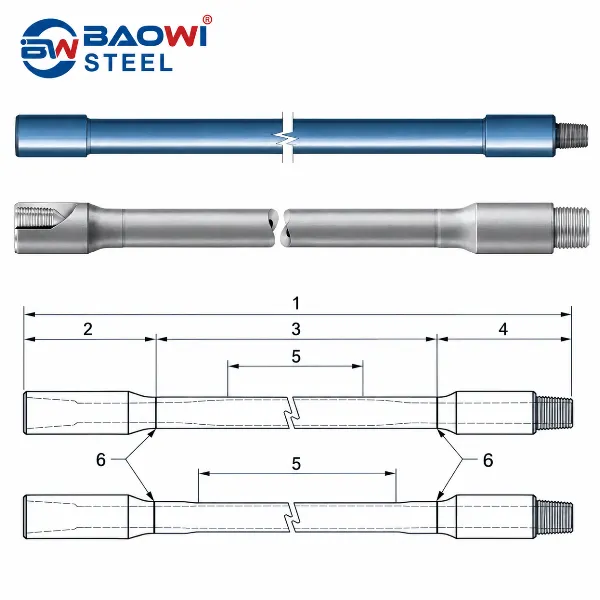
API 5DP Drill Pipe Length Ranges
Drill pipe is commonly specified by length range. API-related purchasing documents may use R1, R2, and R3 designations, but the applicable length limits should be verified in the standard and contract.
|
Length Range
|
Typical Purchasing Use
|
|
R1
|
Shorter standard length range
|
|
R2
|
Intermediate standard length range
|
|
R3
|
Longer standard length range
|
The required range affects the number of joints needed, transport planning, pipe handling, and the drill string tally. Buyers should state the required range or exact length criteria in the purchase inquiry.
For projects with specific rig or well-design constraints, confirm actual joint lengths and permitted tolerances rather than relying on the range label alone.
Frequently Asked Questions
What does API Spec 5DP stand for?
API Spec 5DP is the American Petroleum Institute specification for steel drill pipe with upset pipe-body ends and welded-on tool joints used in petroleum and natural gas drilling and production operations.
What sizes are available for API 5DP drill pipe?
Common commercial configurations include nominal outside diameters such as 2-3/8, 2-7/8, 3-1/2, 4, 4-1/2, 5, 5-1/2, and 6-5/8 inches. Availability, weight, wall thickness, grade, and connection must be confirmed for the required configuration.
What is the difference between drill pipe size and nominal weight?
Size usually refers to the nominal outside diameter, while nominal weight is a separate designation associated with the pipe configuration. Pipes with the same outside diameter can have different wall thicknesses and nominal weights.
What steel grades are covered by API Spec 5DP?
The specification covers Grade E drill pipe and high-strength grades in the X, G, and S families. Common designations include E75, X95, G105, and S135.
What are PSL-1, PSL-2, and PSL-3?
They are Product Specification Levels defined by API Spec 5DP. Each level has its own applicable technical delivery requirements, which should be verified in the specified edition.
Does API 5DP specify tool joint connections?
API Spec 5DP covers drill pipe with welded-on tool joints and establishes applicable technical delivery requirements. The exact connection designation and product configuration should be confirmed in the applicable standard and purchase documents.
Conclusion
API 5D
drill pipes are a cornerstone of modern drilling operations. Their robust specifications, diverse classifications, and advanced manufacturing processes make them indispensable for oil and gas exploration. By adhering to
API standards, these pipes provide safety, reliability, and efficiency, ensuring optimal performance in every
drilling project.

 English
 Español
 بالعربية


 Phone :
 Whatsapp :
 Email :