Flanged Pipe Standards
ASTM / ASME Standards
Pipe: ASTM A106, ASTM A53, ASTM A312
Flange: ASME B16.5 (NPS 1/2″–24″), ASME B16.47 (NPS 26″–60″)
Pressure Rating: Class 150 / 300 / 600 / 900 / 1500 / 2500
EN / DIN Standards
Pipe: EN 10216, EN 10217
Flange: EN 1092-1
Pressure Rating: PN6 / PN10 / PN16 / PN25 / PN40 / PN64 / PN100
GB Standards
Pipe: GB/T 8163, GB/T 5310
Flange: GB/T 9112–9124
Flange Pipe Pressure Rating
The ability of a flanged pipe end to withstand the internal pressure of a piping system is indicated by its **pressure rating (Class/#/Lbs)**, which represents the maximum allowable working pressure the flange can withstand at different temperatures. According to the ANSI/ASME B16.5 standard, there are seven pressure ratings for flanges: 150, 300, 400, 600, 900, 1500, and 2500.
The pressure rating is crucial when selecting flanged pipes. For example, two flanged pipes both have a 10-inch diameter and are made of carbon steel, but they have different pressure ratings: one is 300#, and the other is 1500#:
The 300# flanged pipe is smaller and lighter, with a design pressure of approximately 50.1 bar (at 50℃);
The 1500# flanged pipe is larger, heavier, and more robust, with a design pressure of approximately 250.6 bar (at 50℃).
Therefore, the pressure rating of a flanged pipe not only determines its structural dimensions and weight but also directly affects the safety and applicability of the piping system.
Flange Pipe and Flange Connection
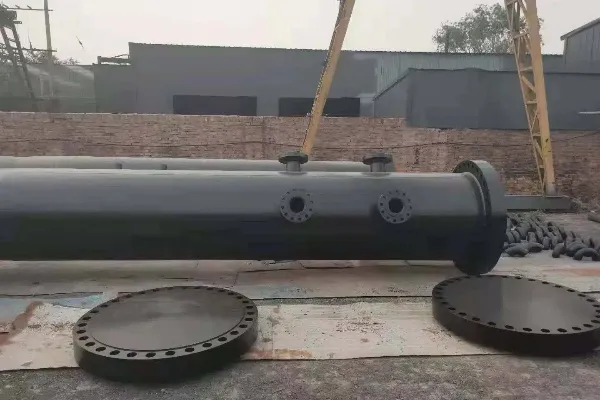
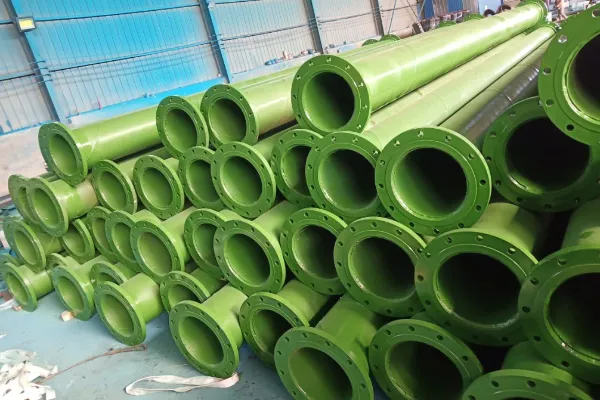
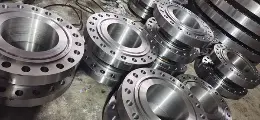
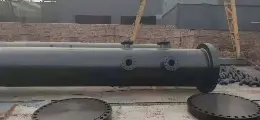
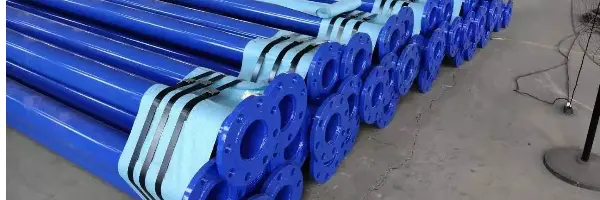
Flanged pipes refer to pipe components with flanges at their ends, while flange connection is a method of connecting pipes or equipment together using flanges, gaskets, and bolts. Flanged pipes are the fundamental components for achieving flange connections. Flange connections provide piping systems with good sealing performance, pressure resistance, and ease of disassembly and maintenance. Therefore, the two are interdependent and commonly used together in pipeline engineering.
The sealing performance of a flange connection depends on the synergistic effect of multiple factors. Bolt pre-tightening force causes initial deformation of the gasket, filling the microscopic irregularities of the flange sealing surface; when the internal pressure of the pipe rises, the resilience of the gasket maintains the sealing pressure, preventing media leakage. The selection of gasket material should be based on a comprehensive consideration of media characteristics, temperature, and pressure: asbestos rubber gaskets are suitable for steam below 450℃ and oils below 350℃; metal gaskets are used in high-pressure and high-temperature environments.
Applications of Flanged Pipes
Flanged pipes are widely used due to their detachability, pressure resistance, and standardized characteristics in the following applications:
Oil and gas pipelines
Chemical and refinery process piping
Power plant boilers and steam systems
Municipal water supply and drainage and water treatment projects
HVAC and refrigeration piping systems

 English
 Español
 بالعربية


 Phone :
  Whatsapp :
  Email :