Steel Plate

Steel Plate

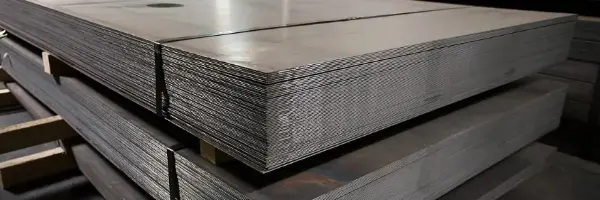
Steel plates are flat, rectangular steel products made by casting molten steel into billets, cooling them, and then pressing them through a rolling mill. They can be directly rolled from billets into plates or cut from wide steel strips, and are one of the most basic and important steel materials in industrial manufacturing and engineering construction.

Steel Plate Specifications

Thickness Range
Hot-rolled Steel Plate:
Thin Plate: Lower limit of thickness is typically 1.2mm - 1.5mm, upper limit is generally 3mm - 4mm (specific standards vary slightly; for example, in national standard GB/T 709, hot-rolled thin plate is defined as ≤3mm).
Medium Plate: Thickness range is typically >3mm/4mm to 20mm.
Thick Plate: Thickness range is typically >20mm to 60mm/100mm (lower limit definitions vary; 20mm, 50mm, or 60mm may all be considered the starting point for thick plates).
Extra-thick Plate: Thickness range is typically >60mm/100mm and above. Modern rolling mills have powerful capabilities, and extra-thick plates can reach thicknesses of 300mm, 400mm, or even over 500mm, used in nuclear power pressure vessels, large hydraulic press frames, military and other extreme load-bearing structures.

Cold-rolled steel Plate: Thickness typically ranges from 0.15mm to 3.0mm.
Common ranges: 0.3mm, 0.5mm, 0.8mm, 1.0mm, 1.2mm, 1.5mm, 2.0mm, etc., widely used in automobiles and home appliances.
Ultra-thin/Extremely thin sheets: Can be as thin as 0.10mm or even thinner (such as some precision electronics and packaging materials), but production is more difficult and costly.
Width range: Common widths: Steel sheet widths typically range from 600mm to 2500mm. For example: 1000mm, 1219mm (48 inches), 1250mm, 1500mm, 1800mm, 2000mm, etc., are very common standard widths for medium-width plates: approximately 1800mm - 3000mm.
Wide plate: Approximately 3000mm - 4000mm.
Narrow strip: Strips with a width less than 600mm are generally referred to as strip steel or narrow strip.

Implementation Standards:

ASTM: ASTM A36, ASTM A516, ASTM A572
EN: EN 10025, EN 10028, EN 10149
JIS: JIS G3101, JIS G3114, JIS G3131

Material of Steel Plate

1. Carbon Steel Plate

Carbon steel plates are widely used in construction, machinery, automotive, shipbuilding, bridges, pressure vessels, and structural applications due to their good strength, workability, and cost-effectiveness.

They are classified into:
Low carbon steel
Medium carbon steel
High carbon steel
Higher carbon content increases hardness, strength, and wear resistance after heat treatment, but also increases brittleness. Lower carbon content improves ductility and weldability.Common ASTM standards include A36, A283, A516, and A570.


2. Mild Steel Plate
Mild steel plate is a type of low-carbon steel containing approximately 0.05%–0.25% carbon. It offers excellent ductility, weldability, and machinability.Mild steel plates are available in hot rolled and cold rolled types.Mild steel chequered plates provide anti-slip performance and are commonly used for platforms, stair treads, walkways, and truck beds. Typical thickness ranges from 2.5mm to 12mm, with customizable sizes such as 4×8 ft and 5×10 ft.


3. Stainless Steel Plate
Stainless steel plates offer excellent corrosion resistance, strength, and durability. They resist acids, alkalis, gases, and moisture, while maintaining good heat and low-temperature performance.Common grades include 303, 304, 316, 316L, 321, 409, 410, and 420.Typical standards: ASTM A240, ASTM A263, ASTM A693, ASTM A264.

Production Process of Steel Plates

1. Raw Material Preparation:Iron ore, scrap steel, and alloying elements are prepared according to required chemical composition.
2. Steelmaking:Raw materials are melted in a blast furnace or electric arc furnace to produce molten steel.
3. Refining:Impurities such as sulfur and phosphorus are removed, and alloy elements are adjusted to meet grade standards.
4. Continuous Casting:Molten steel is poured into molds and solidified into slabs, which serve as the base material for steel plates.
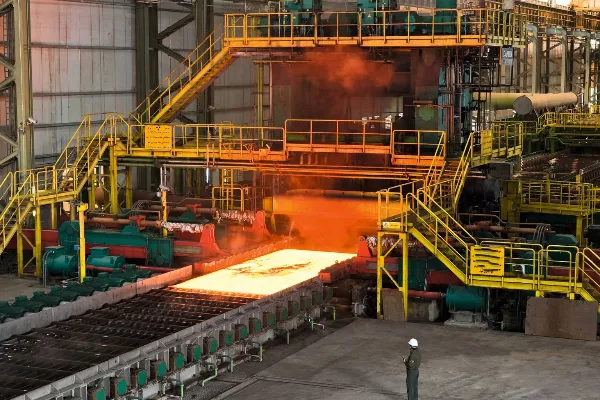
5. Reheating:Steel slabs are reheated to high temperatures (usually above 1000°C) before rolling.
6. Rolling Process:Hot Rolling: Reduces thickness at high temperature; used for medium and thick plates.
Cold Rolling: Performed at room temperature for thin plates with better surface finish and precision.
7. Heat Treatment (If Required):Processes such as normalizing, quenching, or tempering improve mechanical properties like strength and toughness.
8. Surface Treatment:Shot blasting, pickling, galvanizing, or coating may be applied to enhance corrosion resistance and appearance.
9. Cutting & Shaping:Plates are cut to required dimensions using flame, plasma, or laser cutting. Leveling ensures flatness.

10. Inspection & Quality Control:Final inspection includes chemical analysis, mechanical testing, ultrasonic testing, and dimensional checks to ensure compliance with ASTM, EN, JIS, or GB standards.

 Steel Plates

Steel Plate FAQs

What is the difference between steel sheet and steel plate?
Generally, steel sheet refers to thinner material (below 4mm), while steel plate refers to thicker steel products used in structural and heavy-duty applications.

What is the most common steel plate grade?
ASTM A36 and S355 structural steel plates are among the most widely used grades globally.

Can steel plates be customized?
Yes. Thickness, width, length, grade, and surface treatment can all be customized according to project requirements.
Recommended Products

We use cookies to offer a better browsing experience, analyze site traffic, and personalize content. By using this site, you agree to our use of cookies.

Accept
Decline