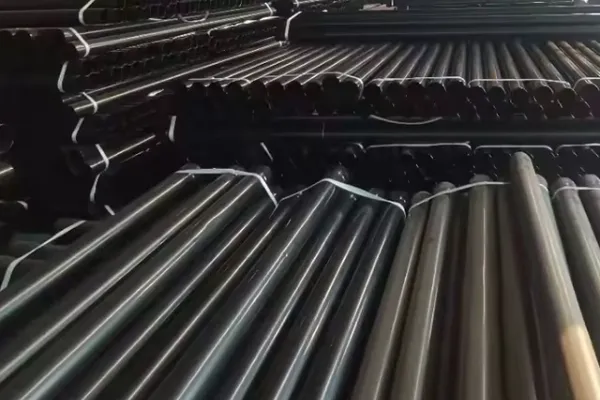
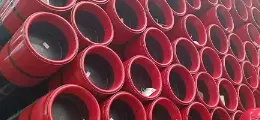
ASTM A106 seamless black pipe is a type of seamless carbon steel pipe used for high-temperature and pressure service.
It combines a weld-free construction with an uncoated black surface, making it suitable for demanding piping systems in oil and gas, power generation, chemical processing, and other industrial applications.
ASTM A106 Grade B is the most commonly specified grade for many of these applications.
What Is Seamless Black Pipe?
ASTM A106 is the standard specification for seamless carbon steel pipe for high-temperature service.
The current ASTM listing identifies A106/A106M as an active specification, covering seamless carbon steel pipe in NPS 1/8 through NPS 48, with nominal wall thicknesses referenced to ASME B36.10M.
The specification also addresses suitability for bending, flanging, and welding when appropriate procedures are used.
An ASTM A106 seamless black pipe therefore combines three characteristics:
|
Characteristic
|
Meaning
|
|
ASTM A106
|
Material specification for seamless carbon steel pipe
|
|
Seamless(SMLS)
|
Pipe is manufactured without a longitudinal welded seam
|
|
Black
|
Generally indicates an uncoated mill surface rather than galvanized pipe
|
The word black does not define the pressure rating, grade, or wall thickness. Those properties must be determined from the applicable material specification, nominal pipe size, schedule or specified wall thickness, operating temperature, design pressure, and piping code.
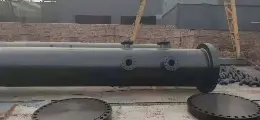
ASTM A106 seamless black pipe
ASTM A106 is a standard specification for seamless carbon steel pipes used for high-temperature service.
These pipes are often referred to as black pipes due to their dark appearance from the manufacturing process. They are primarily used in applications where high strength and the ability to withstand high temperatures are required.
Seamless pipes, as the name suggests, are pipes without any welded seams, which makes them stronger and more resistant to pressure and temperature changes compared to welded pipes. The ASTM A106 standard covers three grades:
Grade A – Low tensile strength, suitable for general use in low-pressure applications.
Grade B – Medium tensile strength, commonly used for medium-pressure systems.
Grade C – High tensile strength, ideal for high-pressure applications.
ASTM A106 Grade B Seamless Black Pipe
ASTM A106 covers three grades: Grade A, Grade B, and Grade C. They have different minimum tensile and yield strength requirements. Grade B is widely specified for general industrial piping because it provides a useful balance of strength and availability.
|
Element
|
Grade A
|
Grade B
|
Grade C
|
|
Carbon max. %
|
0.25
|
0.30*
|
0.35*
|
|
*Manganese %
|
0.27 to 0.93
|
*0.29 to 1.06
|
*0.29 to 1.06
|
|
Phosphorous, max. %
|
0.035
|
0.035
|
0.035
|
|
Sulfur, max. %
|
0.035
|
0.035
|
0.035
|
|
Silicon, min.%
|
0.1
|
0.1
|
0.1
|
|
Chrome, max. %
|
0.4
|
0.4
|
0.4
|
|
Copper, max. %
|
0.4
|
0.4
|
0.4
|
|
Molybdenum, max. %
|
0.15
|
0.15
|
0.15
|
|
Nickel, max. %
|
0.4
|
0.4
|
0.4
|
|
Vanadium, max.%
|
0.08
|
0.08
|
0.08
|
Grade should not be selected simply because a higher grade appears stronger. The correct choice depends on the project specification, design code, operating conditions, fabrication requirements, and purchasing requirements.
Mechanical Analysis of A106 SCH 40 Carbon Steel Pipe
|
Grade
|
Yield Strength
|
Tensile Strength
|
|
A106 Gr.B
|
240
|
415
|
ASTM A106 Seamless Black Pipe Size and Wall Thickness
ASTM A106 covers a broad range of nominal pipe sizes. The ASTM scope references NPS 1/8 through NPS 48, while nominal wall thicknesses are associated with ASME B36.10M.
Pipe selection normally involves several dimensions rather than diameter alone.
|
Parameter
|
What It Determines
|
|
NPS
|
Nominal pipe size
|
|
Outside diameter
|
Actual external pipe dimension
|
|
Wall thickness
|
Structural and pressure-related characteristics
|
|
Schedule
|
Standardized wall-thickness designation
|
|
Length
|
Fabrication and installation requirements
|
|
End type
|
Connection and fabrication method
|
For a purchasing specification, it is better to state the complete requirement, such as ASTM A106 Grade B, NPS, schedule or wall thickness, length, end finish, and applicable testing requirements, rather than ordering simply “A106 black pipe.”
ASTM A106 Grade B Seamless Pipes
ASTM A106 Grade B is one of the most widely used grades of seamless carbon steel pipe for high-temperature service.
The pipe is manufactured without a welded seam and can be supplied in different nominal pipe sizes and wall thicknesses according to the required schedule and applicable specification.
A106 Grade B seamless black pipe is commonly selected for process piping, steam lines, oil and gas systems, and other applications where the pipe must withstand elevated temperatures and internal pressure.
For projects requiring a specific wall thickness or pressure rating, the nominal pipe size, schedule, operating temperature, design pressure, and applicable piping code should be evaluated together rather than selecting a schedule based on the name “black pipe” alone.
Advantages of A106 Grade B Black Seamless Pipe
1.No Weld Seams: A106 Grade B pipes are seamless, eliminating the risk of seam failure under pressure, making them ideal for high-pressure and high-temperature applications.
2.Superior Strength and Durability: The seamless design and high-quality carbon steel provide greater strength and long-term reliability in challenging environments.
3.Smooth Interior Surface: The smooth inner surface reduces fluid resistance and makes maintenance easier by preventing buildup and clogging.
4.Cost-Effective for Critical Applications: Despite being slightly more expensive than welded pipes, their durability and reliability make them a cost-effective choice for demanding applications.
Seamless Black Pipe vs Black Iron Pipe
Seamless black pipe and black iron pipe are not necessarily the same type of pipe. “Seamless” refers to the manufacturing method, whereas “black” refers primarily to the pipe's uncoated surface condition.
Black iron pipe is a common industry term, particularly in gas and utility applications, but it does not by itself indicate that a pipe is seamless.
For engineering applications, pipe selection should be based on the applicable material standard, manufacturing method, dimensions, pressure and temperature requirements, and intended service rather than the term “black” alone.
For a detailed comparison of terminology, construction, materials, applications, and corrosion characteristics, see Difference between seamless black steel pipe and black iron pipe
ASTM A106 Seamless Black Pipe vs Welded Pipe
The main manufacturing difference is the presence of a welded seam.
|
Feature
|
ASTM A106 Seamless Pipe
|
Welded Steel Pipe
|
|
Longitudinal weld
|
No
|
Yes
|
|
Manufacturing route
|
Seamless
|
Formed and welded
|
|
Typical selection
|
Pressure and high-temperature applications where specified
|
Broad range of structural and fluid applications
|
|
Material standard
|
ASTM A106 specifically covers seamless carbon steel pipe
|
Depends on the applicable welded-pipe standard
|
|
Cost
|
Often higher
|
Often more economical for suitable applications
|
It is important not to assume that seamless pipe is always technically or economically better.
The correct choice depends on the applicable standard, operating conditions, required dimensions, fabrication method, and project specification.
Applications of ASTM A106 Grade B Black Seamless Pipe
Oil and Gas: Transporting crude oil, gas, and fluids in high-pressure systems.
Power Generation: Used in steam systems for power plants.
Chemical Processing: For transporting chemicals and gases at high temperatures.
Water Systems: In high-pressure water distribution.
Construction: For plumbing, heating, and gas pipelines.
How to Select ASTM A106 Seamless Black Pipe?
Choosing the right A106 pipe requires more than selecting Grade B.
1. Confirm the Material Standard
First determine whether the project specifically requires ASTM A106/A106M or another pipe specification.ASTM A106 is intended for seamless carbon steel pipe for high-temperature service.
2. Select the Grade
Choose Grade A, B, or C according to the engineering specification.Grade B is widely used, but it should not automatically be treated as the correct grade for every application.
3. Determine NPS and Wall Thickness
Confirm:
Nominal pipe size
Outside diameter
Schedule or specified wall thickness
Required length
End configuration
The ASTM A106 scope references nominal wall thicknesses associated with ASME B36.10M.
4. Check Pressure and Temperature
Do not use a generic “A106 pressure rating” without considering the complete design conditions.The required wall thickness and allowable stress depend on factors including:
Design pressure
Design temperature
Pipe diameter
Material grade
Corrosion allowance
Applicable piping code
Service conditions
5. Confirm Inspection and Documentation
For critical industrial projects, buyers may need documentation such as material test reports and specified inspection or testing records.
ASTM A106 includes mechanical and other testing requirements, while additional or supplementary requirements may be specified for particular applications.
ASTM A106 Seamless Black Pipe: Practical Buying Checklist
Before sending an inquiry to a steel pipe supplier, prepare the following information:
|
Item
|
Example Requirement
|
|
Standard
|
ASTM A106/A106M
|
|
Grade
|
Grade B
|
|
Manufacturing
|
Seamless
|
|
Surface
|
Black / uncoated mill finish
|
|
Size
|
NPS 2, NPS 4, etc.
|
|
Wall thickness
|
Schedule or specified thickness
|
|
Length
|
Fixed length or random length
|
|
Ends
|
Plain, beveled, or specified end finish
|
|
Testing
|
Standard or additional project requirements
|
|
Documentation
|
MTC / inspection documentation as required
|
or ASTM A106 seamless black pipe,
BAOWI Steel supplies seamless carbon steel pipes in accordance with applicable ASTM requirements, with options for different grades, sizes, wall thicknesses, lengths, and end finishes.
Buyers can provide their project specifications and service requirements to confirm a suitable pipe solution and the required inspection and documentation.
Frequently Asked Questions
Is ASTM A106 a seamless black pipe?
ASTM A106 is a specification for seamless carbon steel pipe for high-temperature service. When the pipe is supplied in an uncoated mill condition, it may commonly be described as ASTM A106 seamless black pipe.
What is ASTM A106 Grade B used for?
ASTM A106 Grade B is widely used for industrial piping applications involving carbon steel and high-temperature service, including process piping, steam systems, refineries, and power-generation systems.
The final selection must meet the project's pressure, temperature, material, and code requirements.
Is A106 Grade B seamless?
Yes. ASTM A106 specifically covers seamless carbon steel pipe for high-temperature service, and Grade B is one of the grades covered by the specification.
What is the difference between A106 and A53 pipe?
ASTM A106 is specifically a seamless carbon steel pipe specification for high-temperature service. ASTM A53 covers carbon steel pipe for general mechanical and pressure applications and is available in seamless and welded forms.
The appropriate specification depends on the intended service and project requirements.
Conclusion
ASTM A106 seamless black pipe is a practical choice for many industrial piping systems because it combines a seamless construction with carbon steel properties specified for high-temperature service.
Grade B is widely used, while Grades A and C are available for applications requiring different specified mechanical properties.
The key point is that “ASTM A106,” “seamless,” and “black” describe different aspects of the pipe. A106 identifies the material specification, seamless identifies the manufacturing method, and black generally identifies the uncoated surface condition.
For buyers, the best approach is to specify the complete technical requirement—including grade, NPS, wall thickness or schedule, temperature, pressure, testing, and documentation—rather than selecting a pipe based on its appearance alone.
If you need ASTM A106 seamless carbon steel pipe for an industrial project, the supplier should be able to confirm the applicable grade, dimensions, testing requirements, and material documentation before production or shipment.
Read more related content

 English
 Español
 بالعربية
 Phone :
  Whatsapp :
  Email :


