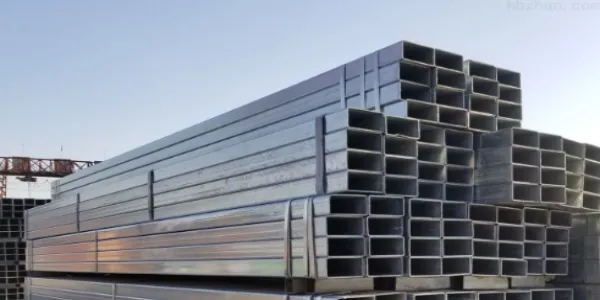
Rectangular tubes have become a common structural material in many modern vehicle chassis systems. Compared with round or square tubes, rectangular tubes offer better bending stiffness in certain directions, making them suitable for side beams, cross-members, load-bearing frames and EV battery-pack structures. In many factories, they are often referred to simply as rect tubes or rectangular hollow sections (RHS).
What Exactly Is a Rectangular Tube?
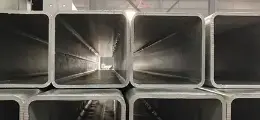
A rectangular tube is a hollow steel section with a flat rectangular profile. Most manufacturers produce it from hot-rolled or cold-rolled coils, which are slit, formed by rolls and welded—usually with high-frequency welding. After welding, the tube goes through straightening, sizing, cutting and surface finishing.
Rectangular tubes used in automotive frames are usually:
Material: Q235, Q355, 510–800 MPa high-strength steel
Wall thickness: 1.8–5.0 mm (common range)
Sizes: 40×20 mm, 60×40 mm, 80×40 mm, 100×50 mm (depending on chassis design)
In many chassis plants, the actual usable measurement tolerance requirement is stricter than general construction tubes, especially in corner radius and straightness.
Why Automakers Like Rectangular Tubes for Chassis
From the perspective of engineering teams and production lines, rectangular tubes solve several practical issues:
1. Good directional stiffness
Side frames and cross rails often need higher stiffness in one direction. A rectangular profile gives better design flexibility than round or square tubes.
2. Lightweight potential
When engineers balance stiffness and weight, rectangular tubes allow thinning the wall without losing critical strength.
3. Easy to weld and form
On actual production lines, rectangular tubes respond well to laser cutting, bending, and fixture-based welding. Operators also report that rectangular tubes deform less during welding compared to round tubes of the same thickness.
4. Cost-effective
Production yield is high, raw material usage is efficient, and tooling for forming is mature.
Typical Rectangular Tube Sizes Used in Chassis
|
Tube Size (mm)
|
Wall Thickness
|
Strength Grade
|
Common Use
|
|
40×20
|
1.8–2.5 mm
|
Q235 / Q355
|
Light brackets, supports
|
|
60×40
|
2.0–3.5 mm
|
Q355 / 500 MPa
|
Side rails, EV subframes
|
|
80×40
|
2.5–4.0 mm
|
600–800 MPa
|
Main cross members
|
|
100×50
|
3.0–5.0 mm
|
High-strength steel
|
Ladder-frame beams
|

 English
 Español
 بالعربية


 Phone :
  Whatsapp :
  Email :


