The
seamless (smls ) steel pipes we produce are made of different materials and naturally withstand different elements. Generally speaking, our seamless steel pipes are rust-resistant. However, this doesn't mean we can just leave them alone and rest easy. Failure to properly maintain seamless steel pipes can shorten their service life, causing unnecessary losses for both our seamless steel pipe manufacturer and our customers. Since everyone who purchases seamless steel pipes naturally hopes for a long lifespan, it's crucial to pay attention to their maintenance.
To extend the lifespan of seamless steel pipes, they must first be pickled to remove surface oxide scale and then lubricated. This pickling and passivation treatment creates a protective film on the surface. After pickling, electrolytic refining further protects the seamless steel pipes.
This maximizes the service life of the seamless steel pipes that leave our factory and increases their utilization rate.
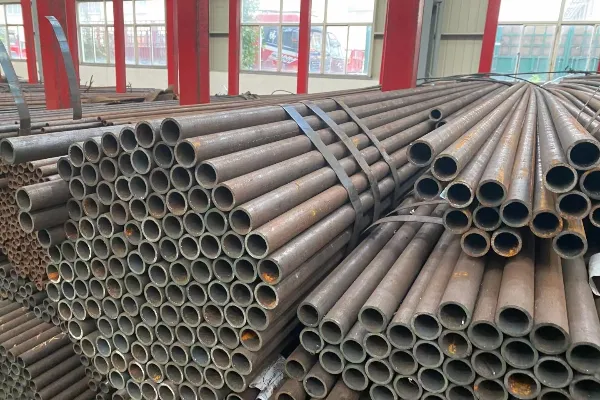
How to increase the service life of seamless steel pipes?
1.Choose Quality Materials
The foundation of seamless steel pipe durability lies in raw materials and manufacturing. Pipes made under standards like
API 5L or
ASTM A106 are tested for defects, ensuring reliability. Selecting the right grade—carbon steel for common fluids or alloy steel for high temperatures—prevents premature failure.
2.Protect Against Corrosion
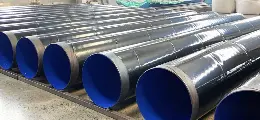
Corrosion is the leading cause of damage. External coatings such as epoxy or polyethylene shield pipes from moisture, while internal linings protect against corrosive media. Cathodic protection is widely used in long pipelines. Regular inspection and re-coating are vital for long-term corrosion resistance.
3.Operate Correctly
Using pipes within design limits is key to extending their service life. Overloading, excessive pressure, or poor installation can cause cracks and stress concentration. Careful transport and correct welding reduce mechanical damage.
4.Maintain and Inspect
Even the strongest pipes require ongoing maintenance. Non-destructive testing detects early cracks or thinning walls. Cleaning prevents scaling that accelerates corrosion. Damaged sections should be replaced promptly to avoid wider failures.
5.Manage Environment
Storage and working conditions also affect seamless steel pipe lifespan. Pipes should be stored dry, elevated from soil, and shielded from harsh weather or chemical exposure. Proper environmental control reduces corrosion risks before pipes are even in use.
FAQ
How long do seamless steel pipes last?
Seamless steel pipes can often last 30 to 50 years or more with proper material selection, installation, and maintenance. Service life varies with operating conditions and corrosion exposure.
What is the main cause of seamless steel pipe failure?
Corrosion is a major cause of premature pipe failure. Excessive pressure, high temperatures, mechanical damage, and poor installation can also reduce service life.
How can I prevent corrosion in seamless steel pipes?
Use suitable coatings, surface treatments, internal linings, or cathodic protection based on the operating environment. Regular inspections also help detect corrosion early.
How should seamless steel pipes be stored?
Store pipes in a dry, clean, and well-drained area away from standing water and corrosive materials. Keep them elevated from direct ground contact.
How often should seamless steel pipes be inspected?
Inspection frequency depends on the application, operating conditions, and corrosion risk. Pipes in high-pressure or corrosive environments generally require more frequent inspection.

 English
 Español
 بالعربية
 Phone :
  Whatsapp :
  Email :


