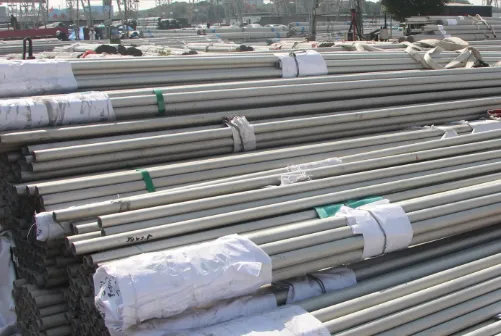
Stainless steel seamless pipe is a hollow steel tube manufactured without any welded seam. Compared with welded pipes, seamless stainless steel pipes provide better pressure resistance, more stable mechanical performance, and improved corrosion resistance under demanding working conditions. They are widely used in industries such as oil and gas, chemical processing, marine engineering, food production, pharmaceuticals, and high-temperature boiler systems.
Because the pipe body is formed from a solid stainless steel billet through piercing, hot rolling, or cold drawing processes, the final product has a uniform structure and higher reliability in high-pressure or corrosive environments.
What Is a Stainless Steel Seamless Pipe?
A stainless steel seamless pipe is produced from a solid round billet that is heated and perforated to create a hollow tube. Unlike welded stainless steel pipes, no welding line exists on the pipe body.The absence of a weld seam reduces the risk of weak points during pressure fluctuations or long-term corrosion exposure. This is one of the main reasons seamless stainless steel pipes are commonly specified for critical industrial piping systems.
Typical stainless steel seamless pipe materials include:
|
Grade
|
Main Features
|
Common Applications
|
|
304 / 304L
|
General corrosion resistance
|
Water treatment, food processing
|
|
316 / 316L
|
Better chloride resistance
|
Marine and chemical environments
|
|
321
|
Heat-resistant stainless steel
|
High-temperature exhaust systems
|
|
310S
|
Excellent oxidation resistance
|
Furnaces and boilers
|
|
Duplex 2205
|
High strength and corrosion resistance
|
Offshore engineering
|
How Stainless Steel Seamless Pipe Is Manufactured
The manufacturing process directly affects pipe strength, dimensional accuracy, and surface quality.
1.Typical Production Process
2.Stainless steel billet inspection
3.Heating and piercing
4.Hot rolling or extrusion
5.Cold drawing or cold rolling
6.Solution annealing
7.Straightening and sizing
8.Pickling and passivation
9.Non-destructive testing
10.Hydrostatic pressure testing
11.Final inspection and packaging
Hot-rolled seamless pipes are generally used for larger diameters and heavy wall thicknesses, while cold-drawn pipes offer better dimensional tolerance and smoother surface finishes.
Common Standards for Stainless Steel Seamless Pipes
Different industries require different technical standards depending on temperature, pressure, and corrosion conditions.
|
Standard
|
Description
|
|
ASTM A312
|
Seamless and welded austenitic stainless steel pipe
|
|
ASTM A213
|
Stainless steel boiler and heat exchanger tubes
|
|
ASTM A269
|
General service stainless steel tubing
|
|
ASTM A790
|
Duplex stainless steel pipe
|
|
ASME SA312
|
Pressure piping applications
|
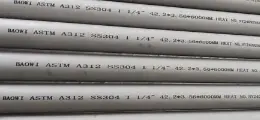
ASTM A312 TP304 and TP316L are among the most commonly exported stainless steel seamless pipe grades in global industrial projects.
Stainless Steel Seamless Pipe vs Welded Pipe
Both seamless and welded stainless steel pipes are widely used, but their performance differences determine their application range.
|
Item
|
Seamless Pipe
|
Welded Pipe
|
|
Manufacturing Method
|
Pierced from solid billet
|
Formed and welded from steel strip
|
|
Weld Seam
|
None
|
Present
|
|
Pressure Resistance
|
Higher
|
Moderate
|
|
Surface Finish
|
Better consistency
|
Depends on weld quality
|
|
Cost
|
Higher
|
Lower
|
|
Common Use
|
High-pressure systems
|
Structural and low-pressure systems
|
Corrosion Resistance of Stainless Steel Seamless Pipe
One of the biggest advantages of stainless steel seamless pipe is its corrosion resistance.
The chromium content in stainless steel forms a passive oxide layer on the surface, which protects the material from oxidation and chemical attack.
However, different grades perform differently under corrosive conditions:
304 stainless steel performs well in normal atmospheric environments.
316L contains molybdenum, providing improved resistance to chloride corrosion.
Duplex stainless steel offers superior resistance to stress corrosion cracking.
In coastal or marine environments with high chloride concentration, 316L or duplex stainless steel is usually recommended instead of 304.
Typical Stainless Steel Seamless Pipe Sizes
|
Nominal Bore
|
Outside Diameter
|
Sch-5S
|
Sch-10S
|
Sch-40S
|
Sch-80S
|
Sch-160S
|
Sch-XXS
|
|
mm
|
INCH
|
mm
|
Wt
|
Weight
|
Wt
|
Weight
|
Wt
|
Weight
|
Wt
|
Weight
|
Wt
|
Weight
|
Wt
|
Weight
|
|
|
|
|
mm
|
(Kg/mt)
|
mm
|
(Kg/mt)
|
mm
|
(Kg/mt)
|
mm
|
(Kg/mt)
|
mm
|
(Kg/mt)
|
mm
|
(Kg/mt)
|
|
3
|
1/8
|
10.3
|
1.24
|
0.276
|
1.24
|
0.28
|
1.73
|
0.37
|
2.41
|
0.47
|
–
|
–
|
–
|
–
|
|
6
|
1/4
|
13.7
|
1.24
|
0.39
|
1.65
|
0.49
|
2.24
|
0.631
|
3.02
|
0.8
|
–
|
–
|
–
|
–
|
|
10
|
3/8
|
17.1
|
1.24
|
0.49
|
1.65
|
0.63
|
2.31
|
0.845
|
3.2
|
1.1
|
–
|
–
|
–
|
–
|
|
15
|
1/2
|
21.3
|
1.65
|
0.8
|
2.11
|
1
|
2.77
|
1.27
|
3.75
|
1.62
|
4.75
|
1.94
|
7.47
|
2.55
|
|
20
|
3/4
|
26.7
|
1.65
|
1.03
|
2.11
|
1.28
|
2.87
|
1.68
|
3.91
|
2.2
|
5.54
|
2.89
|
7.82
|
3.63
|
|
25
|
1
|
33.4
|
1.65
|
1.3
|
2.77
|
2.09
|
3.38
|
2.5
|
4.55
|
3.24
|
6.35
|
4.24
|
9.09
|
5.45
|
|
32
|
1 1/4
|
42.2
|
1.65
|
1.65
|
2.77
|
2.7
|
3.56
|
3.38
|
4.85
|
4.47
|
6.35
|
5.61
|
9.7
|
7.77
|
|
40
|
1 1/2
|
48.3
|
1.65
|
1.91
|
2.77
|
3.11
|
3.68
|
4.05
|
5.08
|
5.41
|
7.14
|
7.25
|
10.16
|
9.54
|
|
50
|
2
|
60.3
|
1.65
|
2.4
|
2.77
|
3.93
|
3.91
|
5.44
|
5.54
|
7.48
|
8.74
|
11.1
|
11.07
|
13.44
|
|
65
|
2 1/2
|
73
|
2.11
|
3.69
|
3.05
|
5.26
|
5.16
|
8.63
|
7.01
|
11.4
|
9.53
|
14.9
|
14.2
|
20.39
|
|
80
|
3
|
88.9
|
2.11
|
4.51
|
3.05
|
6.45
|
5.49
|
11.3
|
7.62
|
15.2
|
11.1
|
21.3
|
15.24
|
27.65
|
|
100
|
4
|
114.3
|
2.11
|
5.84
|
3.05
|
8.36
|
6.02
|
16.07
|
8.56
|
22.3
|
13.49
|
33.54
|
17.12
|
41.03
|
|
125
|
5
|
141.3
|
2.77
|
9.47
|
3.4
|
11.57
|
6.55
|
21.8
|
9.53
|
31.97
|
15.88
|
49.11
|
19.05
|
57.43
|
|
150
|
6
|
168.3
|
2.77
|
11.32
|
3.4
|
13.84
|
7.11
|
28.3
|
10.97
|
42.7
|
18.2
|
67.56
|
21.95
|
79.22
|
|
200
|
8
|
219.1
|
2.77
|
14.79
|
3.76
|
19.96
|
8.18
|
42.6
|
12.7
|
64.6
|
23
|
111.2
|
22.23
|
107.8
|
|
250
|
10
|
273.1
|
3.4
|
22.63
|
4.19
|
27.78
|
9.27
|
60.5
|
12.7
|
96
|
28.6
|
172.4
|
25.4
|
155.15
|
|
300
|
12
|
323.9
|
3.96
|
31.25
|
4.57
|
36
|
9.52
|
73.88
|
12.7
|
132
|
33.32
|
238.76
|
25.4
|
186.97
|
|
350
|
14
|
355.6
|
3.96
|
34.36
|
4.78
|
41.3
|
11.13
|
94.59
|
19.05
|
158.08
|
35.71
|
281.7
|
–
|
–
|
|
400
|
16
|
406.4
|
4.19
|
41.56
|
4.78
|
47.29
|
12.7
|
123.3
|
21.41
|
203.33
|
40.46
|
365.11
|
–
|
–
|
|
450
|
18
|
457.2
|
4.19
|
46.8
|
4.78
|
53.42
|
14.27
|
155.8
|
23.8
|
254.36
|
45.71
|
466.4
|
–
|
–
|
|
500
|
20
|
508
|
4.78
|
59.25
|
5.54
|
68.71
|
15.09
|
183.42
|
26.19
|
311.2
|
49.99
|
564.68
|
–
|
–
|
|
600
|
24
|
609.6
|
5.54
|
82.47
|
6.35
|
94.45
|
17.48
|
255.41
|
30.96
|
442.08
|
59.54
|
808.22
|
–
|
–
|
Stainless Steel Pipe ASTM Specification & Tolerances
|
Specification
|
Allowable Outside Diameter
|
|
Allowable Wall
|
Exact Length
|
Testing
|
|
|
Variation in mm
|
|
|
|
Thickness Variation
|
Tolerance in mm
|
|
|
|
Nominal Diameter
|
Over
|
Under
|
%Over
|
%Under
|
Over
|
Under
|
Flattening Test
|
|
ASTM-A213
|
Under 25.4
|
0.1016
|
0.1016
|
20
|
0
|
3.175
|
0
|
Tension Test
|
|
Seamless Boiler
|
25.4-38.1 incl
|
0.1524
|
0.1524
|
22
|
0
|
3.175
|
0
|
Flare Test
|
|
Superheater and
|
38.1-50.8 excl
|
0.2032
|
0.2032
|
22
|
0
|
3.176
|
0
|
Hardness Test
|
|
Heat Exchanger
|
50.8-63.5 excl
|
0.254
|
0.254
|
22
|
0
|
4.46
|
0
|
|
|
Tubes
|
63.5-76.2 excl
|
0.3048
|
0.3048
|
22
|
0
|
4.76
|
0
|
100% Hydrostatic test
|
|
|
76.2-101.6 incl
|
0.381
|
0.381
|
22
|
0
|
4.76
|
0
|
Refer to ASTM A-450
|
|
|
Under 25.4
|
0.1016
|
0.1016
|
10
|
-10
|
3.175
|
0
|
|
|
ASTM-A249
|
25.4-38.1 incl
|
0.1524
|
0.1524
|
10
|
-10
|
3.175
|
0
|
Tension Test
|
|
Welded Boiler
|
38.1-50.8 Excl
|
0.2032
|
0.2032
|
10
|
-10
|
3.175
|
0
|
Flattening Test
|
|
Superheater, Heat
|
50.0-63.5 excl
|
0.254
|
0.254
|
10
|
-10
|
4.762
|
0
|
Flange Test
|
|
Exchanger And
|
63.5-76.2 excl
|
0.3848
|
0.3048
|
10
|
-10
|
4.762
|
0
|
Reverse Bend Test
|
|
Condenser Tubes
|
76.2-101.6 incl
|
0.381
|
0.381
|
10
|
-10
|
4.762
|
0
|
Hardness Test
|
|
|
|
|
Minimum Wall tubes, + 18% 0 available, On request
|
|
|
100% Hydrostastic Test
|
|
|
|
|
|
|
Refer to ASTM A-450
|
|
|
|
|
|
|
|
|
|
Untp 12.7
|
0.13
|
0.13
|
15
|
-15
|
3.2
|
0
|
Flare Test (Seamless Only)
|
|
ASTM-A269
|
12.7-38.1 excl
|
0.13
|
0.13
|
10
|
-10
|
3.2
|
0
|
Flange Test (Welded Only)
|
|
Seamless & Welded
|
38.1-88.9 excl
|
0.25
|
0.25
|
10
|
-10
|
4.8
|
0
|
Hardness Test
|
|
Tubing for General
|
88.9-139.7 excl
|
0.38
|
0.38
|
10
|
-10
|
4.8
|
0
|
Reverse Flattening Test
|
|
Service
|
139.7-203.2 excl
|
0.76
|
0.76
|
10
|
-10
|
4.8
|
0
|
(Welded only)
|
|
|
|
|
|
|
|
|
|
100% Hydrostatic Test
|
|
|
|
|
|
|
|
|
|
Refer to ASTM-A269
|
|
|
25.4
|
0.05
|
0.2
|
10
|
-10
|
3.2
|
0
|
|
|
|
38.1
|
0.05
|
0.2
|
10
|
-10
|
3.2
|
0
|
Reverse flattening Test
|
|
ASTM-A270
|
50.8
|
0.05
|
0.28
|
10
|
-10
|
3.2
|
0
|
100% Hydrostastic Test
|
|
Seamless & Welded
|
60.5
|
0.05
|
0.28
|
10
|
-10
|
3.2
|
0
|
External’ polish on all tubes
|
|
Sanitary Tubing
|
76.2
|
0.08
|
0.3
|
10
|
-10
|
3.2
|
0
|
Refer to ASTM A-270
|
|
|
101.6
|
0.08
|
0.38
|
10
|
-10
|
4.8
|
0
|
|
|
|
3.175-38.1 incl
|
0.4
|
0.79
|
Minimum Wall
|
6.4
|
0
|
|
|
|
38.1-1016 incl
|
0.79
|
0.79
|
12.5% under
|
6.4
|
0
|
Tension Test
|
|
ASTM-A312
|
101.6-203.2 incl
|
1.59
|
0.79
|
nominal wall
|
|
6.4
|
0
|
Flattening Test
|
|
Seemless & Welded
|
|
|
|
Specified
|
|
|
|
100% Hydrostatic Test
|
|
pipe
|
|
|
|
|
|
|
(Normally Random
|
Refer to ASTM A-530
|
|
|
|
|
|
|
|
|
Lengths ordered)
|
|
ASTM A-358
|
219.08-750mm
|
0.50%
|
|
-0.3
|
|
6
|
Refer to ASTM A-530
|
|
Welded pipe
|
|
|
|
|
|
|
|
|
Conclusion
Stainless steel seamless pipe is an important industrial material used in demanding environments where pressure resistance, corrosion resistance, and long-term reliability are critical.
From ASTM A312 TP304 to duplex stainless steel grades, different seamless pipes are designed for different operating conditions. Understanding material grades, manufacturing processes, pressure requirements, and corrosion environments helps engineers and buyers select the correct pipe for each project.
As industrial standards continue to rise in sectors such as energy, chemical processing, marine engineering, and pharmaceuticals, stainless steel seamless pipes remain one of the most reliable piping solutions available today.

 English
 Español
 بالعربية
 Phone :
  Whatsapp :
  Email :