In modern piping systems, the connection of
PVC (polyvinyl chloride) pipes with steel pipes is a widely concerned issue. This connection method is used in construction, industry, and agriculture. Due to the significant differences in the physical and chemical properties of PVC and steel pipes, special attention needs to be paid when connecting to ensure the reliability and durability of the connection. This article will explore various connection methods in detail, including flange connection, adhesive connection, threaded connection, etc., and explain them in combination with actual application scenarios.
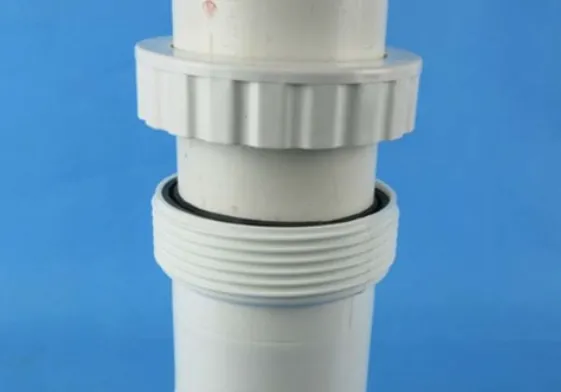
1. Flange Connection (Most Stable Solution for Medium and Large Diameter Pipelines)
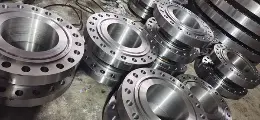
Flange connection is probably the most widely used method when dealing with PVC to steel transitions in industrial systems.In most engineering projects, it is preferred for medium and large diameter pipelines, especially when the system requires stable sealing performance and easy maintenance in the future.Typically, flanges are installed on both PVC and steel pipe ends, then aligned carefully before tightening with bolts. A rubber gasket is placed between the two flange faces to ensure proper sealing. Once installation is completed, pressure testing is usually carried out to confirm there is no leakage.In practical use, flange connections are often chosen for systems operating under relatively higher pressure, or in situations where the pipeline may need to be dismantled for maintenance.
2.Threaded Connection (Small Diameter Applications with Reinforcement Required)
Threaded connection can be used for small diameter PVC and steel pipe transitions, but it requires reinforcement due to material differences.
Application Range
DN15 to DN50
Low-pressure systems
Temporary or auxiliary pipelines
Common Issues
PVC threads may crack under excessive tightening force
Lower mechanical strength compared to steel threads
Improvement Measures
Add reinforcement rings to PVC threaded ends
Use PTFE tape or chemical-resistant sealants
Control tightening torque carefully
Avoid over-tightening during installation
Engineering Note
Threaded connections are not recommended for high-pressure or critical systems without reinforcement.
3.Adhesive or Solvent Connection (Simple but Limited Use)
adhesive connection is suitable for small-diameter pipes, especially in low-pressure systems. Adhesive connection is achieved by applying a curable special adhesive on the inner wall of the steel pipe, inserting the PVC pipe into the steel pipe and rotating it to evenly distribute the adhesive, removing the excess adhesive, and then keeping it still to wait for curing. This method is easy to construct and has low material cost, making it suitable for home and small engineering applications. However, it should be noted that the strength and durability of adhesive connections are affected by the type of adhesive and curing conditions, and the operating specifications must be strictly followed during construction.
4. Mechanical Transition Fittings
Mechanical couplings are a flexible solution for connecting PVC and steel pipes.
They use rubber sealing and clamps instead of bonding or threading, making installation easier and more reliable in field conditions.
This method is commonly used in water supply, irrigation, and pipeline repair projects.
5. PVC to Cast Iron or Steel Transition
In renovation projects, PVC pipes are often connected to existing cast iron or galvanized steel pipes.
Flexible rubber couplings are commonly used because they can handle misalignment and vibration, while clamp-type connectors are used in drainage systems for quick installation.
Conclusion
PVC to steel pipe connections can be achieved in several ways, including flange, threaded, adhesive, and mechanical fittings.Each method has its own suitable application, and the correct choice depends on pipe size, pressure level, and working conditions.

 English
 Español
 بالعربية
 Phone :
  Whatsapp :
  Email :