What Is Black Iron?
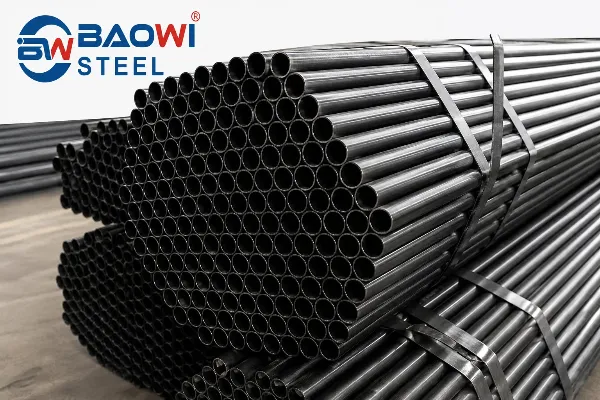
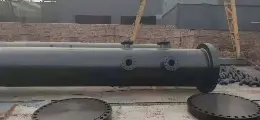
Black iron is a type of carbon steel that does not have a galvanized or plated surface coating. During manufacturing, a dark iron oxide scale forms on the pipe surface, giving it its characteristic black appearance.
In the piping industry, the term Black Iron Pipe commonly refers to carbon steel pipes manufactured according to ASTM A53 or ASTM A106 standards. These pipes offer excellent strength, pressure resistance, and durability, making them a popular choice for gas distribution, fire protection systems, and industrial piping.
Unlike galvanized pipes, black iron pipes do not include a zinc coating. As a result, they cost less initially but provide lower corrosion resistance when exposed to moisture and water.
1.Black Iron Pipe Specifications
|
Property
|
Black Iron Pipe
|
|
Material
|
Carbon Steel
|
|
Surface Finish
|
Black Oxide Scale
|
|
Standard
|
ASTM A53 / ASTM A106
|
|
Carbon Content
|
0.30% - 0.60%
|
|
Corrosion Resistance
|
Low
|
|
Pressure Resistance
|
High
|
|
Weldability
|
Excellent
|
|
Typical Service Life
|
20-50 Years (Indoor Use)
|
|
Main Applications
|
Gas, Fire Protection, Industrial Piping
|
2. Advantages and Disadvantages of Black Iron
Black iron remains one of the most commonly used carbon steel materials because it offers an attractive balance between performance and cost. However, every material has limitations that should be considered before selection.
2.1 Advantages of Black Iron
One major advantage is its high mechanical strength. Black iron can withstand significant internal pressure and structural loads.
Another benefit is affordability. Since manufacturers do not apply galvanizing or special coatings, production costs remain lower than many alternative pipe materials.
Additional advantages include:
High pressure resistance
Easy welding and threading
Good impact resistance
Wide availability
Lower initial investment
2.2 Disadvantages of Black Iron
The biggest limitation is corrosion resistance.
Without a protective coating, moisture and water can accelerate rust formation. Therefore, black iron often requires painting, wrapping, or other protective treatments when used outdoors.
Common disadvantages include:
Susceptible to rust
Not suitable for drinking water
Requires periodic maintenance
Limited performance in coastal environments
3.How Black Iron Pipe Is Manufactured ?
The manufacturing process starts with carbon steel billets or coils. Manufacturers form the steel into pipe shapes through seamless or welded production methods.
1.The basic process includes:
2.Steel production
3.Pipe forming
4.Welding or seamless processing
5.Heat treatment
6.Surface oxidation
7.Inspection and testing
8.Packaging and delivery
Unlike galvanized pipes, manufacturers do not apply a zinc coating after production. Therefore, the natural iron oxide scale remains on the surface.
4.Features of Black Iron Pipe
Black iron pipe remains widely used because it combines strength, affordability, and reliability.
High Strength
Carbon steel provides excellent mechanical properties and can withstand significant internal pressure.
Cost-Effective
Since no galvanizing process is required, production costs remain lower than coated steel pipes.
Excellent Pressure Resistance
Black iron pipe performs well in gas transmission systems and low-to-medium pressure industrial applications.
Easy Fabrication
Contractors can cut, thread, weld, and install black iron pipe with standard tools.
Temperature Resistance
The material handles both high and low temperatures better than many plastic piping systems.
5.Black Iron vs Other Pipe Materials
5.1 Black Iron vs Galvanized Pipe
The primary difference is surface protection.
Galvanized pipe includes a zinc coating that helps resist corrosion. Black iron pipe relies on its bare steel surface and therefore requires additional protection in humid environments.
|
Criteria
|
Black Iron Pipe
|
Galvanized Pipe
|
|
Surface Protection
|
Oxide Layer Only
|
Zinc Coating
|
|
Corrosion Resistance
|
Low
|
High
|
|
Initial Cost
|
Lower
|
Higher
|
|
Maintenance
|
More Frequent
|
Less Frequent
|
|
Gas Systems
|
Excellent
|
Good
|
|
Water Systems
|
Not Recommended
|
Suitable
|
5.2 Black Iron vs Stainless Steel
Stainless steel contains chromium that creates a protective passive layer.
As a result, stainless steel offers superior corrosion resistance but comes at a significantly higher cost.
|
Criteria
|
Black Iron
|
Stainless Steel
|
|
Cost
|
Low
|
High
|
|
Corrosion Resistance
|
Low
|
Excellent
|
|
Strength
|
High
|
High
|
|
Maintenance
|
Moderate
|
Low
|
|
Typical Applications
|
Gas, Structural
|
Chemical, Food Grade
|
6.Frequently Asked Questions
Is black iron the same as black steel?
In most industrial applications, the two terms refer to the same carbon steel material with a black oxide surface.
Does black iron rust?
Yes. Black iron will rust when exposed to moisture and oxygen.
Can black iron pipe be used for drinking water?
No. Black iron pipe is generally not recommended for potable water systems.
Why is black iron used for gas lines?
Because it offers high pressure resistance, durability, and cost efficiency.
Is black iron cheaper than galvanized pipe?
Yes. Black iron pipe usually costs 15% to 30% less than galvanized pipe.
How long does black iron pipe last?
Service life depends on environmental conditions and maintenance. Indoor systems can often last several decades.
7. Conclusion
Black iron remains a practical and cost-effective carbon steel material for gas transmission, fire protection, compressed air systems, and structural applications.
Although its corrosion resistance is limited, proper design, protective coatings, and routine maintenance can significantly improve service life. For projects where strength and affordability are priorities, black iron continues to be one of the most widely used piping materials in industrial and commercial systems.
Related Articles
Difference between seamless black steel pipe and black iron pipe

 English
 Español
 بالعربية
 Phone :
  Whatsapp :
  Email :


