Does Black Steel Pipe Rust? Causes, Factors and How to Prevent Rust
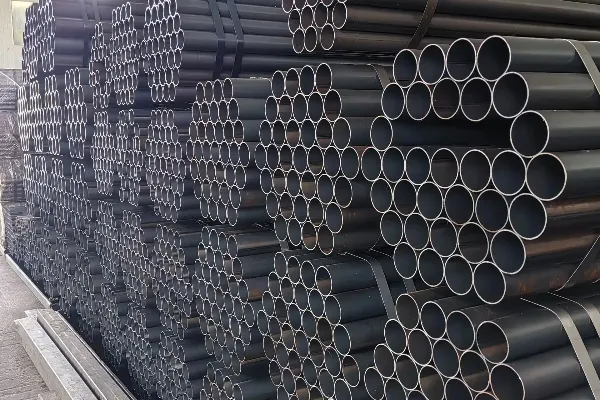
Yes, black steel pipe can rust.Black steel pipe is normally made from carbon steel without a galvanized zinc coating. Its dark surface often comes from mill scale formed during manufacturing. This surface condition does not make the pipe rust-proof.When moisture and oxygen reach exposed steel, corrosion can occur. Salt, chemicals, condensation, and prolonged water exposure can make the process faster.Black steel pipe remains a practical choice for many gas, fire protection, industrial, and structural applications. The key is to match the pipe and its corrosion protection to the service environment.
Why Is Black Steel Pipe Black?
The dark appearance of black steel pipe commonly comes from mill scale.Mill scale consists mainly of iron oxides formed during hot working and heating.It can provide some temporary resistance to atmospheric exposure. However, it should not be considered equivalent to a galvanized coating or engineered anticorrosion system.
Does Black Steel Pipe Rust?
Yes.Rust forms when iron in the steel reacts with oxygen and moisture.
The simplified process is:
Steel + Water + Oxygen → Corrosion Products
The actual process is electrochemical. Small anodic and cathodic areas can form on the steel surface while moisture acts as an electrolyte.
|
Condition
|
Rust Risk
|
|
Dry indoor storage
|
Low
|
|
High indoor humidity
|
Moderate
|
|
Outdoor exposure
|
Moderate to high
|
|
Standing water
|
High
|
|
Coastal atmosphere
|
High
|
|
Chemical exposure
|
Potentially high
|
|
Wet soil contact
|
Potentially high
|
The presence of moisture is one of the most important factors.A completely dry pipe can remain free of visible rust for a long time. A pipe repeatedly exposed to water can corrode much faster.
What Causes Black Steel Pipe to Rust?
Black steel pipe does not rust at the same rate in every environment. The corrosion rate depends on moisture, exposure conditions, surface condition, and the surrounding environment. The following factors are especially important.
1. Moisture
Moisture is one of the main causes of rust on black steel pipe. Steel corrosion is an electrochemical process that requires an electrolyte, and water on the pipe surface can provide this medium. High humidity alone may not cause rapid corrosion if the surface dries quickly. However, frequent or prolonged exposure to moisture keeps the steel surface wet for longer periods and increases the opportunity for corrosion to develop. Pipes stored outdoors, exposed to rain, or installed in damp buildings are therefore more likely to rust than pipes kept in dry, well-ventilated areas. Proper storage, drainage, and ventilation can significantly reduce the amount of time that moisture remains on the pipe surface.
2. Condensation
Condensation is another common source of moisture and can cause corrosion even when black steel pipe is protected from direct rain. It occurs when warm, humid air contacts a pipe surface that is colder than the surrounding air. Water then forms on the outside of the pipe and can remain there for extended periods. This problem is common around cold equipment, HVAC systems, unheated buildings, storage areas, and outdoor piping. Repeated condensation can be particularly damaging because the pipe may repeatedly become wet and dry. Over time, these cycles can create favorable conditions for surface rust and more advanced corrosion. Improving ventilation, controlling humidity, and preventing large temperature differences around the pipe can help reduce condensation-related corrosion.
3. Standing Water
Water trapped around the pipe can significantly increase exposure time.
Typical problem areas include:
Pipe supports
Low points
Pipe ends
Outdoor racks
Poorly drained areas
Good drainage is therefore an important part of corrosion control.
4. Salt and Chlorides
Salt-containing environments can accelerate steel corrosion.Coastal areas are a common example. Road salt can also affect exposed steel in cold climates.Chloride contamination can damage protective surface films and promote localized corrosion.
5. Chemicals
Industrial chemicals can change the corrosion rate.
The actual effect depends on:
Chemical type
Concentration
Temperature
Exposure time
Moisture
Pipe material
Surface condition
A coating suitable for normal outdoor exposure may not be suitable for a chemical-processing environment.
6. Surface Damage
Scratches and mechanical damage expose fresh steel.Corrosion can begin at these areas when moisture reaches the exposed surface.Welded joints, cut ends, threaded areas, and damaged coatings also deserve attention.
Galvanized steel has a zinc coating between the steel and the surrounding environment.The zinc layer provides two important forms of protection:
Barrier Protection
The zinc coating separates the steel from moisture and oxygen.
Sacrificial Protection
When the coating is locally damaged, zinc can corrode preferentially to the underlying steel under suitable conditions.
Black steel pipe does not have this built-in zinc layer.
This is why galvanized pipe generally performs better in many outdoor and humid environments.
Conclusion
Black steel pipe is strong, economical, and widely used in industrial and construction applications. However, its dark surface does not make it resistant to rust.The main corrosion risks come from moisture, oxygen, salt, chemicals, condensation, and prolonged exposure.For dry indoor applications, uncoated black steel pipe may be suitable. Outdoor, underground, coastal, wet, and chemically aggressive environments require more careful corrosion control.
The best approach is to select the pipe according to its standard, grade, wall thickness, pressure, temperature, service medium, environment, and required corrosion protection rather than relying on the pipe's black appearance alone.
For more related content, please see:
SCH 40 Black Steel Pipe

 English
 Español
 بالعربية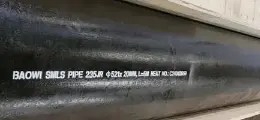
 Phone :
  Whatsapp :
  Email :