Rectangular tubing is one of the most versatile structural steel products available today. As a common type of cold-formed hollow structural section, it is widely used in fields such as architectural structures, machinery manufacturing, vehicle production, and bridge engineering. When selecting rectangular tubing for specific applications, users typically focus on key factors such as cross-sectional dimensions, wall thickness precision, surface finish, and material properties.
Depending on project requirements, rectangular tubing is available in a variety of materials—including carbon steel, galvanized steel, stainless steel, and alloy steel—to meet the demands of both indoor and outdoor environments.
This guide outlines common applications and advantages of rectangular tubing, as well as how to select the appropriate material for different industries.
What Is a Rectangular Tube?
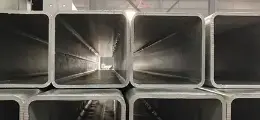
A rectangular tube, also known as rectangular steel tubing or a rectangular hollow section (RHS), is a hollow steel profile with a rectangular cross-section. It is widely used in structural, mechanical, and architectural applications because it combines high strength with a relatively low weight.
Rectangular tubes are manufactured in a wide range of dimensions to meet different engineering requirements. Popular sizes include 20 × 40 mm, 30 × 50 mm, 40 × 60 mm, and 50 × 80 mm, while many additional sizes and wall thicknesses are available. For a complete list of standard dimensions, see our
Standard Rectangular Tube Size Table.
Most structural rectangular tubes are produced to standards such as ASTM A500, which specifies the mechanical properties, dimensions, and manufacturing requirements for carbon steel structural tubing.
Rectangular Tube Applications
Rectangular tubes are widely used across many industries due to their high strength, versatility, and ease of fabrication. Some of the most common applications include:
1. Construction and Structural Engineering
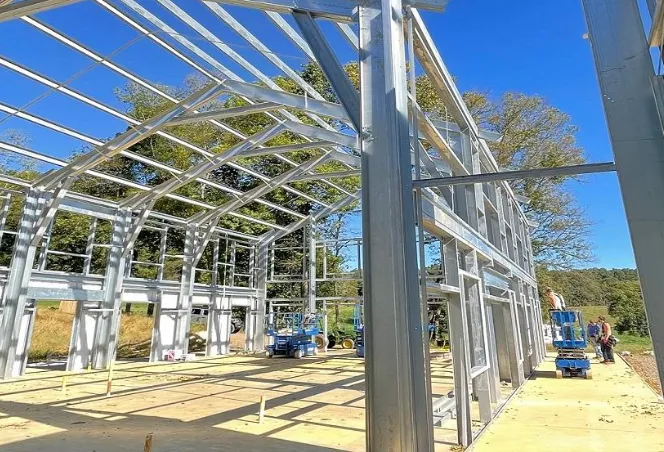
Building frameworks: Rectangular tubes are extensively used for structural frames, columns, and beams, providing excellent load-bearing capacity and long-term stability.
Fencing and guardrails: They are commonly used to fabricate fences and safety barriers, offering durability, strength, and resistance to outdoor conditions.
Roof support systems: Rectangular tubes serve as reliable support members for roofs, canopies, and skylights, helping maintain structural integrity.
2. Machinery Manufacturing
Equipment frames: Rectangular tubes are used to build machine frames and equipment housings, providing rigid support and protecting internal components.
Mechanical support systems: They are also applied in support structures, drive systems, and equipment assemblies where strength and stability are required.
3. Automotive Industry
Vehicle frames: In automotive manufacturing, rectangular tubes are widely used for chassis, body frames, and reinforcement structures because of their high strength and rigidity.
Trailers and transport equipment: They are commonly used in trailer frames and transport vehicles, ensuring reliable load-carrying performance.
4. Furniture Manufacturing
Tables and chairs: Rectangular tubes are frequently used to manufacture modern furniture frames, combining structural strength with a clean appearance.
Shelving systems: They provide stable support for shelving units, storage racks, and display systems in commercial and residential settings.
5. Agricultural Equipment
Equipment structures: Rectangular tubes are widely used in greenhouse frames, irrigation systems, and agricultural machinery for dependable structural support.
Farm fencing: They are also used to construct durable fences and livestock enclosures that can withstand long-term outdoor exposure.
6. Transportation Industry
Trucks and containers: Rectangular tubes strengthen truck bodies, cargo containers, and transport platforms, improving safety and structural performance.
Marine structures: They are also used in ship frameworks and other transportation equipment where reliable strength and durability are essential.
Choosing the Right Material for Your Application
Different environments require different rectangular tube materials.
|
Application
|
Recommended Material
|
Main Advantage
|
|
Building structures
|
Mild steel
|
High strength and economical
|
|
Outdoor structures
|
Galvanized steel
|
Corrosion resistance
|
|
Food processing
|
Stainless steel 304
|
Hygienic and corrosion resistant
|
|
Marine engineering
|
Stainless steel 316
|
Saltwater resistance
|
|
Heavy machinery
|
Carbon steel
|
High load capacity
|
|
Decorative projects
|
Stainless steel
|
Attractive surface finish
|
Advantages of Using Rectangular Tubes
Rectangular tubes continue to gain popularity because they provide several practical advantages:
High structural efficiency
Excellent strength-to-weight ratio
Easy welding and fabrication
Flat surfaces for simple installation
Wide range of available sizes
Cost-effective production
Good corrosion resistance with suitable coatings
Suitable for indoor and outdoor projects
Long service life with minimal maintenance
Frequently Asked Questions
What are rectangular tubes used for?
Rectangular tubes are widely used in construction, machinery manufacturing, transportation, furniture, agricultural equipment, infrastructure, warehouses, and energy projects.
Why choose rectangular tubes instead of round tubes?
Rectangular tubes provide better bending resistance in one direction, offer flat surfaces for easier fabrication, and are often more suitable for structural frames.
Which material is best for outdoor applications?
Hot-dip galvanized steel is a cost-effective option for outdoor environments, while 304 or 316 stainless steel is recommended for highly corrosive conditions.
Are rectangular tubes suitable for heavy structural projects?
Yes. Structural-grade rectangular tubes manufactured to standards such as ASTM A500 are commonly used for buildings, bridges, and industrial structures.
Can rectangular tubes be welded?
Yes. Most carbon steel, galvanized, and stainless steel rectangular tubes offer good weldability when proper welding procedures are followed.
Conclusion
Rectangular tubes have become an essential structural material across modern industries due to their strength, versatility, and ease of fabrication. From construction and transportation to machinery, furniture, agriculture, and energy projects, they provide reliable performance in a wide range of applications.
Choosing the right material, dimensions, and surface treatment ensures the tube meets the required structural and environmental demands. Whether you need mild steel for cost-effective construction, galvanized steel for outdoor durability, or stainless steel for corrosion resistance, rectangular tubes offer a dependable solution for both structural and industrial applications.

 English
 Español
 بالعربية
 Phone :
  Whatsapp :
  Email :


