Water well casing is a pipe installed inside a drilled borehole to maintain the stability of the well, prevent surrounding formations from collapsing, and provide a protected passage for water extraction. It also helps isolate different underground formations and protect groundwater from potential surface contamination when properly installed and sealed.
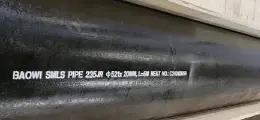
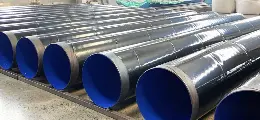
Steel water well casing is commonly used in drilled wells where high mechanical strength, impact resistance, and structural stability are required. Depending on the project, casing may be manufactured from carbon steel, stainless steel, PVC, or other approved materials.
The selection of water well casing depends on several factors:
Well depth and borehole diameter
Ground formation and external pressure
Required pump and screen dimensions
Groundwater chemistry and corrosion conditions
Casing material, wall thickness, and connection type
Local water well construction regulations
For deep wells, unstable formations, and industrial water supply projects, steel casing is often considered because of its structural strength and ability to withstand demanding installation conditions.
Water Well Casing Specifications
Water well casing specifications define the dimensions, material properties, manufacturing requirements, and connections of the pipe. These parameters determine whether the casing can withstand installation loads and expected operating conditions.
The following table summarizes the main specifications commonly considered when purchasing steel water well casing.
|
Specification
|
Common Options or Requirements
|
|
Material
|
Carbon Steel, Stainless Steel
|
|
Manufacturing Process
|
Seamless, ERW, Other approved welded processes
|
|
Outside Diameter
|
Project-specific; commonly selected from standard pipe sizes
|
|
Wall Thickness
|
Selected according to depth, loading, and design requirements
|
|
Steel Grades
|
Specified according to the applicable material standard
|
|
Connection Types
|
Threaded, Coupled, Welded
|
|
Pipe Length
|
R1, R2, R3 where applicable, or Custom Length
|
|
Surface Condition
|
Black, Coated, or Other Specified Finish
|
|
Applications
|
Domestic, Agricultural, Municipal, and Industrial Water Wells
|
Actual availability depends on the applicable standard, pipe dimensions, material grade, and manufacturer.
Outside Diameter and Wall Thickness
Outside diameter (OD) and wall thickness (WT) are two important dimensions of water well casing pipe.
Outside Diameter (OD) determines the external dimensions of the casing and affects the required borehole diameter, annular space, and installation of well screens and pumping equipment.
Wall Thickness (WT) affects the pipe's resistance to external pressure, handling damage, installation loads, and formation movement. Deeper wells or unstable geological formations may require heavier-wall casing.
For steel casing, the nominal outside diameter alone is not sufficient to determine whether a pipe is suitable for a particular well. Engineers should also consider the wall thickness, steel grade, connection strength, and expected loading conditions.
Steel Grades and Materials
The material grade determines the mechanical and chemical properties of water well casing.
Common material choices include:
|
Material
|
Main Characteristics
|
Typical Applications
|
|
Carbon Steel
|
High structural strength and good mechanical performance
|
Deep wells, agricultural and industrial wells
|
|
Stainless Steel
|
Improved resistance to many corrosive environments
|
Wells with demanding groundwater chemistry
|
|
PVC
|
Lightweight and corrosion-resistant
|
Residential and relatively shallow wells
|
For steel casing, the specified grade should be selected according to the applicable product standard and project requirements.
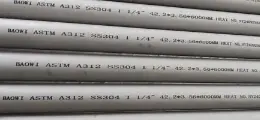
API 5CT grades such as J55, K55, N80, L80, and P110 are associated with oil and gas casing and tubing specifications. They may be specified for certain water well projects when the engineering requirements and applicable local regulations permit their use.
They should not automatically be treated as universal water well casing grades.
Connection Types and Pipe Lengths of Water Well Casing
The connection method affects the mechanical integrity and sealing performance of the installed casing string.
Common connection methods include:
Threaded Connections: Allow pipe sections to be connected through matching threads and couplings.
Welded Connections: Join steel casing sections through circumferential welding according to the specified welding procedure.
Coupled Connections: Use separate couplings to connect individual casing sections.
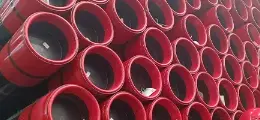
For API 5CT casing, common connection designations include Short Thread Coupling (STC), Long Thread Coupling (LTC), and Buttress Thread Coupling (BTC).
However, these connection types are not interchangeable. Their suitability depends on the casing specification, joint loading, installation method, and project design.
Pipe lengths may be supplied in R1, R2, or R3 ranges when the relevant product specification applies. Custom lengths can also be considered according to transportation and installation requirements.
Water Well Casing Size Chart
Water well casing sizes vary according to the well design, drilling method, required water production, and pumping equipment.
The following table lists common nominal casing sizes and their corresponding outside diameters. These values are dimensional references, not a universal list of suitable casing sizes for every water well.
|
Nominal Size
|
Outside Diameter (OD)
|
Metric OD
|
|
4½ in.
|
4.500 in.
|
114.3 mm
|
|
5 in.
|
5.000 in.
|
127.0 mm
|
|
5½ in.
|
5.500 in.
|
139.7 mm
|
|
6⅝ in.
|
6.625 in.
|
168.3 mm
|
|
7 in.
|
7.000 in.
|
177.8 mm
|
|
8⅝ in.
|
8.625 in.
|
219.1 mm
|
|
10¾ in.
|
10.750 in.
|
273.1 mm
|
Nominal size and actual outside diameter must be distinguished when specifying casing pipe. Wall thickness, weight, and available connections depend on the selected dimensional series and product standard.
Water Well Casing Wall Thickness and Weight
Wall thickness and unit weight are essential when evaluating the mechanical performance and transportation requirements of steel water well casing.
For a given outside diameter, increasing wall thickness generally increases the pipe's steel cross-sectional area and weight. It also changes the pipe's resistance to external loading.
For preliminary dimensional estimation, the theoretical weight of a steel pipe can be calculated using:
Weight per Meter (kg/m):
W=0.02466(D-t)t
Where:
W = Theoretical weight per meter (kg/m)
D = Outside diameter (mm)
t = Wall thickness (mm)
This formula provides a theoretical estimate based on steel density. Actual product weight may vary due to manufacturing tolerances and the specified standard.
The final wall thickness should not be selected using weight calculations alone. External pressure, groundwater conditions, installation loads, joint performance, and safety factors must also be considered.
Standards for Steel Water Well Casing
Steel water well casing may be manufactured or supplied according to different material and product standards. The applicable specification depends on the well design, intended service, local regulations, and purchaser requirements.
The following standards have different scopes and should not be treated as interchangeable.
|
Standard
|
Main Scope
|
Considerations for Water Well Projects
|
|
ASTM A53
|
Black and hot-dipped galvanized welded and seamless steel pipe
|
May be specified for water well casing where accepted by local requirements
|
|
API 5CT
|
Casing and tubing for the oil and gas industry
|
May be specified for projects requiring applicable API casing grades and connections
|
|
ISO 11960
|
Steel pipes for casing and tubing in the petroleum and natural gas industries
|
Relevant to projects specifying this product standard
|
|
ASTM A252
|
Welded and seamless steel pipe piles
|
Intended for structural piling applications, not a general-purpose water well casing specification
|
API 5CT is primarily an oil and gas casing and tubing standard. Its use in water well construction should be confirmed against the engineering specification and local regulatory requirements.
ASTM A252 is designed for steel pipe piles. It should not be presented as a general substitute for water well casing standards.
Before placing an order, buyers should confirm the required standard, material grade, dimensions, testing requirements, and marking information.
How to Select the Correct Casing Diameter
Selecting a casing diameter involves more than matching the casing to the drilled hole.
Consider the following factors:
1.Pump Dimensions: The casing must provide enough internal clearance for the submersible pump, pump column, and associated equipment.
2.Well Screen Requirements: The casing diameter should accommodate the selected screen and its connection arrangement.
3.Borehole Diameter: Adequate annular space is required for filter packs and sealing materials where specified.
4.Water Production Requirements: The well design and expected pumping rate influence the required diameter and equipment selection.
5.Future Maintenance: Additional clearance may be necessary for pump replacement, inspection, or future well rehabilitation.
As a genral design reference, the USDA NRCS Water Well Conservation Practice Standard recommends selecting a casing diameter that is typically at least 2 inches larger than the maximum outside diameter of the pump and pump column.
Actual requirements should be verified against the project design and local regulations.
Steel vs. PVC Water Well Casing
Steel and PVC are two commonly used materials for water well casing.
Their suitability depends on the well depth, installation conditions, groundwater chemistry, and structural requirements.
|
Comparison
|
Steel Water Well Casing
|
PVC Water Well Casing
|
|
Structural Strength
|
High
|
Depends on material class and wall thickness
|
|
Corrosion Resistance
|
Requires consideration of groundwater chemistry and protection
|
Generally resistant to many corrosive environments
|
|
Weight
|
Heavier
|
Lighter
|
|
Installation
|
Requires suitable lifting and joining equipment
|
Generally easier to handle
|
|
External Load Resistance
|
Depends on diameter, thickness, grade, and design
|
Depends on pipe class, SDR, diameter, and installation conditions
|
|
Typical Applications
|
Deep, industrial, municipal, and demanding wells
|
Residential and other suitable water well applications
|
When Should You Choose Steel Water Well Casing?
Steel casing may be appropriate when:
The well is deep and requires substantial structural support.
The casing will experience significant installation or external loading.
The project requires high mechanical strength.
The specified connection design must withstand demanding installation conditions.
The project engineering specification requires steel casing.
However, steel casing is not automatically the best option for every water well. Groundwater corrosivity, coating requirements, maintenance, installation cost, and expected service life must also be evaluated.
When Is PVC Water Well Casing Suitable?
PVC casing may be suitable for residential and other water well projects where the expected loads are within the pipe's design capacity.
Its lightweight construction and resistance to many forms of chemical corrosion can make installation and maintenance easier.
For deeper wells or applications involving high external pressure, PVC casing must be carefully evaluated for collapse resistance and long-term performance.
The final material choice should always follow the well design and applicable construction regulations.
Frequently Asked Questions About Water Well Casing
1. What size casing pipe is used for a water well?
Common steel water well casing sizes include 4½, 5, 5½, 6⅝, 7, 8⅝, and 10¾ inches. The correct size depends on borehole diameter, pump dimensions, well screen requirements, and the expected water production rate.
2. How thick should water well casing be?
Water well casing thickness depends on well depth, geological conditions, external pressure, installation loads, and material properties. Deeper or more demanding wells may require heavier-wall casing, but the final thickness should be determined through engineering design and applicable regulations.
3. Is steel or PVC better for water well casing?
Steel casing generally provides higher structural strength and is often selected for demanding or deep well applications. PVC is lighter and resistant to many corrosive environments, making it suitable for certain residential and shallow wells. The better option depends on the well design and operating conditions.
4. What is the difference between well casing and well screen?
Well casing is the solid pipe installed to support the borehole and isolate surrounding formations. A well screen is a slotted or perforated component designed to allow groundwater to enter the well while limiting the entry of formation particles. They perform different functions and are often used together.
5. Can API 5CT casing be used for water wells?
API 5CT casing may be used in water well projects when the project specification and local regulations permit it. However, API 5CT was developed for oil and gas casing and tubing, so its suitability should be evaluated rather than assumed for every water well.
6. How long does steel water well casing last?
The service life of steel water well casing depends on groundwater chemistry, corrosion protection, wall thickness, installation quality, and operating conditions. Proper material selection and installation can help extend service life, but no single lifespan applies to all wells.
Conclusion
Selecting the right water well casing requires more than choosing a nominal pipe diameter. Outside diameter, wall thickness, material grade, connection type, groundwater chemistry, and installation conditions all affect casing performance and service life.
Steel water well casing is a practical option for projects requiring structural strength and reliable support, particularly in deep wells, agricultural irrigation systems, municipal water supplies, and industrial applications.
BAOWI Steel supplies steel pipe products for industrial and infrastructure applications. For water well casing inquiries, buyers can provide their required dimensions, material grade, applicable standard, connection type, and quantity to discuss suitable product specifications and supply options.

 English
 Español
 بالعربية
 Phone :
 Whatsapp :
 Email :