ASTM A106 Grade B seamless steel pipe is the predominant carbon steel piping material used in high-temperature, high-pressure applications across the petroleum, chemical, power generation, and thermal piping sectors; its pressure and temperature ratings directly determine safety limits and material selection criteria. Based on the ASME B31.3 and ASME B31.1 standards, this article systematically outlines the material's applicable temperature range, allowable stress, pressure calculation methods, ratings for common specifications, and key engineering application considerations, providing a practical basis for design, procurement, and operation and maintenance.
What Is ASTM A106 Grade B Seamless Pipe?
ASTM A106 Grade B is a seamless carbon steel pipe intended for high-temperature service. Manufactured in accordance with the ASTM A106/A106M standard using hot-rolling or cold-drawing seamless processes, it features no longitudinal welds and a joint efficiency of E=1.0. Its stable mechanical properties, along with resistance to creep and graphitization, make it suitable for transporting fluids at medium-to-high temperatures.
Standard continuous operating temperature range: -29°C to 427°C (800°F).
Short-term upper limits permitted by specifications: Allowable stress tables in ASME B31.1/B31.3 cover temperatures up to 538°C (1000°F); however, creep accelerates in carbon steel pipe above this temperature, so long-term service at such levels is not recommended.
Core applications: Steam lines, thermal oil piping, high-temperature process fluid lines, boiler headers, and power plant auxiliary piping.
Size range: NPS 1/4 to NPS 26; wall thickness classified by Schedule (e.g., Sch 40, Sch 80, Sch 160).
ASTM A106 Grade B Pipe Basic Specifications
Is There a Fixed Pressure Rating for ASTM A106 Grade B Pipe?
A common misunderstanding is that ASTM A106 Grade B pipe has one fixed pressure rating.
In reality, there is no single pressure value that applies to all ASTM A106 Grade B pipes.
The allowable working pressure changes according to:
1. Pipe Outside Diameter
Larger diameter pipes have different stress distribution compared with smaller diameter pipes.
A 2-inch ASTM A106 Grade B pipe
A 12-inch ASTM A106 Grade B pipe
may have completely different allowable pressures even with the same wall thickness.
2. Pipe Wall Thickness
Wall thickness is one of the most important factors affecting pressure capacity.
A thicker pipe wall provides:
Higher pressure resistance
Better mechanical strength
Longer service life
For this reason, engineers usually select different schedules depending on operating pressure.
Common ASTM A106 Grade B schedules include:
|
Schedule
|
Typical Application
|
|
SCH 40
|
Low to medium pressure piping
|
|
SCH 80
|
General industrial pressure service
|
|
SCH 120
|
Higher pressure applications
|
|
SCH 160
|
High-pressure systems
|
3. Operating Temperature
Temperature has a direct impact on allowable stress.
As temperature increases:
Material strength decreases
Allowable pressure decreases
Design requirements become stricter
For example, ASTM A106 Grade B pipe used for steam service at elevated temperature requires different pressure calculations compared with a pipeline operating at room temperature.
ASTM A106 Grade B Seamless Pipe Pressure Rating Chart (Reference)
ASTM A106 Grade B Pressure Rating Explained
The ASTM A106 Grade B pressure rating refers to the maximum allowable internal pressure that a pipe can safely withstand under specific operating conditions.
Unlike pressure classes used for valves and fittings, carbon steel pipe pressure ratings are calculated based on:
Outside diameter (OD)
Wall thickness
Material allowable stress
Operating temperature
Safety factors
Design standards
A thicker pipe wall provides higher pressure resistance, while higher operating temperatures reduce the allowable pressure because steel strength decreases as temperature increases.
For example:
SCH 80 pipe can handle higher pressure than SCH 40 pipe of the same diameter.
A pipe operating at 400°C has a lower pressure rating than the same pipe operating at room temperature.
|
160
|
4331
|
4331
|
4331
|
4331
|
4331
|
4331
|
4331
|
4157
|
3753
|
|
40
|
1783
|
1783
|
1783
|
1783
|
1783
|
1783
|
1783
|
1712
|
1545
|
|
80
|
2575
|
2575
|
2575
|
2575
|
2575
|
2575
|
2575
|
2472
|
2232
|
|
160
|
4217
|
4217
|
4217
|
4217
|
4217
|
4217
|
4217
|
4049
|
3655
|
|
40
|
1693
|
1693
|
1693
|
1693
|
1693
|
1693
|
1693
|
1625
|
1467
|
|
80
|
2394
|
2394
|
2394
|
2394
|
2394
|
2394
|
2394
|
2298
|
2074
|
|
160
|
3600
|
3600
|
3600
|
3600
|
3600
|
3600
|
3600
|
3456
|
3120
|
|
40
|
1435
|
1435
|
1435
|
1435
|
1435
|
1435
|
1435
|
1378
|
1244
|
|
80
|
2075
|
2075
|
2075
|
2075
|
2075
|
2075
|
2075
|
1992
|
1798
|
|
160
|
3376
|
3376
|
3376
|
3376
|
3376
|
3376
|
3376
|
3241
|
2926
|
|
40
|
1258
|
1258
|
1258
|
1258
|
1258
|
1258
|
1258
|
1208
|
1090
|
|
80
|
1857
|
1857
|
1857
|
1857
|
1857
|
1857
|
1857
|
1783
|
1610
|
|
160
|
3201
|
3201
|
3201
|
3201
|
3201
|
3201
|
3201
|
3073
|
2774
|
|
40
|
1143
|
1143
|
1143
|
1143
|
1143
|
1143
|
1143
|
1098
|
991
|
|
80
|
1794
|
1794
|
1794
|
1794
|
1794
|
1794
|
1794
|
1722
|
1554
|
|
160
|
3083
|
3083
|
3083
|
3083
|
3083
|
3083
|
3083
|
2960
|
2672
|
|
40
|
1006
|
1006
|
1006
|
1006
|
1006
|
1006
|
1006
|
966
|
872
|
|
80
|
1586
|
1586
|
1586
|
1586
|
1586
|
1586
|
1586
|
1523
|
1375
|
|
160
|
2976
|
2976
|
2976
|
2976
|
2976
|
2976
|
2976
|
2857
|
2579
|
|
40
|
913
|
913
|
913
|
913
|
913
|
913
|
913
|
876
|
791
|
|
80
|
1509
|
1509
|
1509
|
1509
|
1509
|
1509
|
1509
|
1448
|
1308
|
|
160
|
2950
|
2950
|
2950
|
2950
|
2950
|
2950
|
2950
|
2832
|
2557
|
Note: Actual allowable pressure varies according to design temperature, safety factors, corrosion allowance, and applicable piping codes.
STD (standard) = schedule 40
XS (extra strong) = schedule 80
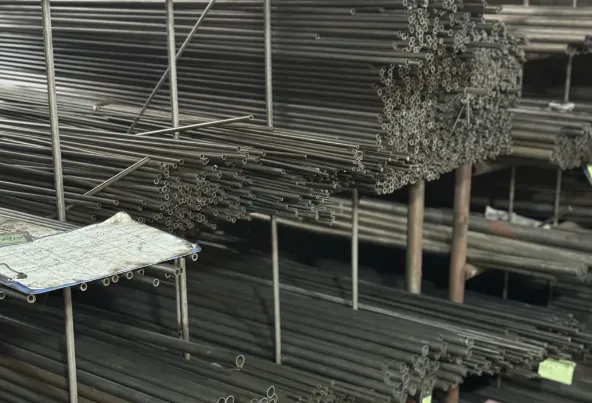
ASTM A106 Grade B Mechanical Properties Related to Pressure Rating
The pressure capacity of ASTM A106 Grade B pipe is directly related to its mechanical properties.
According to ASTM A106 requirements, Grade B pipe has minimum mechanical properties as follows:
|
Property
|
ASTM A106 Grade B
|
|
Tensile Strength
|
60,000 psi (415 MPa) min
|
|
Yield Strength
|
35,000 psi (240 MPa) min
|
|
Elongation
|
30% min
|
These mechanical properties allow ASTM A106 Grade B pipes to withstand demanding pressure conditions while maintaining structural integrity at elevated temperatures.
However, the actual allowable pressure is not determined only by material strength. Pipe dimensions and operating conditions must also be considered.
Why ASTM A106 Grade B Pressure Rating Cannot Be Determined by Grade Alone
A common purchasing mistake is selecting pipe only by material grade.
ASTM A106 Grade B SCH 40 and ASTM A106 Grade B SCH 160 are the same material grade, but their pressure capability is significantly different.
The main factors affecting allowable pressure include:
Pipe Wall Thickness
A thicker wall provides greater resistance against internal pressure.
The relationship between pressure capacity and wall thickness is one of the main reasons why industrial piping systems use different schedules.
Pressure-Temperature Ratings for Common Specifications (Examples)
The following provides the MAWP (MPa) at room and high temperatures for typical Schedule wall thicknesses of NPS 2, NPS 4, and NPS 6, serving as a direct reference for engineering applications:
ASTM A106 Grade B Seamless Pipe Pressure Rating at Different Temperatures (Reference)
|
Pipe Size (NPS)
|
Schedule
|
Wall Thickness (mm)
|
Allowable Pressure at 38°C (MPa)
|
Allowable Pressure at 343°C (MPa)
|
Allowable Pressure at 427°C (MPa)
|
|
NPS 2
|
SCH 40
|
5.59
|
18.2
|
13.8
|
10.2
|
|
NPS 2
|
SCH 80
|
7.47
|
25.7
|
19.5
|
14.9
|
|
NPS 4
|
SCH 40
|
6.02
|
11.5
|
8.7
|
6.4
|
|
NPS 4
|
SCH 80
|
8.56
|
17.1
|
13
|
9.6
|
|
NPS 6
|
SCH 40
|
7.11
|
9.8
|
7.4
|
5.5
|
|
NPS 6
|
SCH 80
|
10.97
|
16.3
|
12.3
|
9.1
|
Note:
The pressure values shown above are reference values for ASTM A106 Grade B seamless carbon steel pipe. Actual allowable working pressure depends on pipe dimensions, design temperature, design code requirements, corrosion allowance, and service conditions. Engineers should verify final pressure ratings according to applicable standards such as ASME B31.3 and ASME Section II.
ASTM A106 Grade B Temperature Rating Table
ASTM A106 Grade B is specifically designed for high-temperature service. However, the allowable pressure decreases as operating temperature increases.
The maximum service temperature depends on:
Material allowable stress
Pressure design requirements
Industry codes
Application conditions
Typical ASTM A106 Grade B temperature ranges:
|
Temperature Range
|
Application Condition
|
|
Below 100°C
|
General pressure piping service
|
|
100–300°C
|
Industrial process piping
|
|
300–450°C
|
Steam and high-temperature systems
|
|
Above 450°C
|
Requires detailed engineering evaluation
|
ASTM A106 Grade B is commonly used in systems operating around 400°C, making it suitable for many steam, refinery, and power plant applications.
ASTM A106 Grade B vs ASTM A53 Pressure and Temperature Performance
Many buyers compare ASTM A106 Grade B with ASTM A53 because both are carbon steel pipe specifications.
|
Feature
|
ASTM A106 Grade B
|
ASTM A53
|
|
Pipe Type
|
Seamless
|
Welded or seamless
|
|
Main Purpose
|
High-temperature pressure service
|
General mechanical and pressure applications
|
|
Temperature Performance
|
Excellent
|
Moderate
|
|
Strength
|
Higher
|
Lower
|
|
Typical Applications
|
Steam, refinery, power plants
|
Water, air, low-pressure systems
|
For high-temperature and high-pressure applications, ASTM A106 Grade B is usually the preferred choice.
FAQ
1. What is the pressure rating of ASTM A106 Grade B pipe?
The pressure rating of ASTM A106 Grade B pipe depends on pipe size, wall thickness, and operating temperature. SCH 80 and SCH 160 pipes can withstand higher pressures than SCH 40 pipes.
2. What temperature can ASTM A106 Grade B pipe withstand?
ASTM A106 Grade B is designed for high-temperature service and is commonly used in applications around 400°C. Actual temperature limits depend on pressure design requirements.
3. Is ASTM A106 Grade B suitable for steam piping?
Yes. ASTM A106 Grade B seamless pipe is widely used for steam pipelines because of its excellent strength and high-temperature performance.
4. What is the difference between ASTM A106 Grade B and A53?
ASTM A106 Grade B is designed for high-temperature pressure service, while
ASTM A53 is mainly used for general mechanical and lower-pressure piping applications.
5. Does temperature affect ASTM A106 Grade B pressure rating?
Yes. As operating temperature increases, allowable stress decreases, resulting in a lower maximum allowable pressure.
More related articles
API 5L vs ASTM A106 Seamless Pipe

 English
 Español
 بالعربية

 Phone :
  Whatsapp :
  Email :