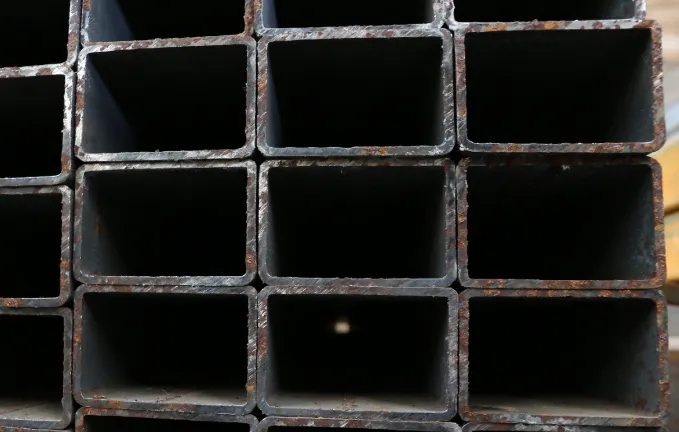
JIS G3466 rectangular tube sizes cover outside dimensions from 10 × 15 mm to 800 × 1100 mm, with wall thicknesses ranging from 0.5 mm to 60 mm. Designed for general structural applications, JIS G3466 specifies carbon steel rectangular hollow sections in STKR400 and STKR490 grades, along with requirements for chemical composition, mechanical properties, dimensional tolerances, manufacturing methods, and quality inspection. These tubes are widely used in steel structures, commercial buildings, bridges, industrial facilities, and machinery manufacturing where reliable strength and dimensional accuracy are required.
Unlike Standard rectangular tube size charts, JIS G3466 not only specifies dimensions but also defines mechanical properties, chemical composition, dimensional tolerances, manufacturing methods, and inspection requirements. These requirements ensure structural reliability and consistency for engineering projects throughout Japan and many international markets.
This guide provides the latest JIS G3466 rectangular tube size chart, steel grades, tolerances, manufacturing specifications, and comparisons with international standards such as ASTM A500 and EN 10219, helping engineers, contractors, and buyers select the right rectangular hollow section for their applications.
What Is JIS G3466?
JIS G3466 is the Japanese Industrial Standard that specifies carbon steel square and rectangular tubes for general structural purposes. It is published by the Japanese Industrial Standards Committee (JISC) and is widely recognized throughout Japan and Asia for structural steel applications.
The latest edition, JIS G3466:2021, replaced the 2018 version and establishes technical requirements for rectangular and square hollow sections used in civil engineering, construction, industrial equipment, and mechanical structures.
The standard covers:
Steel grades
Manufacturing methods
Chemical composition
Mechanical properties
Dimensional tolerances
Inspection requirements
Surface quality
Marking and delivery requirements
Unlike pressure pipe standards, JIS G3466 is intended for load-bearing structural applications rather than fluid transportation.
JIS G3466 Steel Grades
JIS G3466 primarily specifies two structural steel grades for rectangular hollow sections.
|
Steel Grade
|
Minimum Tensile Strength
|
Typical Application
|
|
STKR400
|
400 MPa
|
General building structures
|
|
STKR490
|
490 MPa
|
Heavy-duty structural applications
|
STKR400
STKR400 is the most commonly used grade under JIS G3466. It offers an excellent balance of strength, weldability, and cost, making it suitable for most commercial and industrial construction projects.
Typical applications include:
Building columns
Roof trusses
Steel frames
Warehouse structures
Agricultural buildings
General fabrication
STKR490
STKR490 provides higher tensile strength than STKR400 and is designed for structures requiring greater load-bearing capacity.
It is commonly used in:
High-rise buildings
Large-span steel structures
Heavy machinery
Infrastructure projects
Bridges
Industrial plants
Because of its higher strength, STKR490 often allows engineers to reduce member weight while maintaining structural performance.
JIS G3466 Rectangular Tube Sizes
JIS G3466 rectangular tubes are manufactured in a wide range of sizes to meet the requirements of structural engineering, industrial fabrication, and construction projects. Standard outside dimensions typically range from 10 × 15 mm to 800 × 1100 mm, with wall thicknesses from 0.5 mm to 60 mm. Available sizes may vary depending on the manufacturer, production process, and steel grade.
The table below lists several of the most commonly produced JIS G3466 rectangular tube sizes.
|
Size(mm)
|
Thickness(mm)
|
Size(mm)
|
Thickness(mm)
|
Size(mm)
|
Thickness(mm)
|
|
50X20
|
1.6
|
100X50
|
1.6
|
200X100
|
4.5
|
|
50X20
|
2.3
|
100X50
|
2.3
|
200X100
|
6
|
|
50X30
|
1.6
|
100X50
|
3.2
|
200X100
|
9
|
|
50X30
|
2.3
|
100X50
|
4.5
|
200X150
|
4.5
|
|
60X30
|
1.6
|
125X40
|
1.6
|
200X150
|
6
|
|
60X30
|
2.3
|
125X40
|
2.3
|
200X150
|
9
|
|
60X30
|
3.2
|
125X75
|
2.3
|
250X150
|
6
|
|
75X20
|
1.6
|
125X75
|
3.2
|
250X150
|
9
|
|
75X20
|
2.3
|
125X75
|
4
|
250X150
|
12
|
|
75X45
|
1.6
|
125X75
|
4.5
|
300X200
|
6
|
|
75X45
|
2.3
|
125X75
|
6
|
300X200
|
9
|
|
75X45
|
3.2
|
150X75
|
3.2
|
300X200
|
12
|
|
80X40
|
1.6
|
150X80
|
4.5
|
350X150
|
6
|
|
80X40
|
2.3
|
150X80
|
5
|
350X150
|
9
|
|
80X40
|
3.2
|
150X80
|
6
|
350X150
|
12
|
|
90X45
|
2.3
|
150X100
|
3.2
|
400X200
|
6
|
|
90X45
|
3.2
|
150X100
|
4.5
|
400X200
|
9
|
For a complete list of rectangular hollow section dimensions, wall thicknesses, and theoretical weights across international standards, refer to our Standard Rectangular Tube Size Table. This comprehensive guide includes hundreds of standard RHS sizes and serves as a quick reference for engineers, fabricators, and buyers when selecting rectangular steel tubing.
Mechanical Properties of JIS G3466 rectangular tubes
Mechanical properties are one of the most important factors when selecting rectangular structural tubing. JIS G3466 establishes minimum strength requirements to ensure the tubes can safely withstand structural loads.
|
Steel Grade
|
Mechanical Properties
|
Tensile Strength
N/mm² min
|
Yield Strength
N/mm² min
|
Elongation
% min
|
|
STKR 400
|
400
|
245
|
23
|
|
STKR 490
|
490
|
325
|
23
|
The required elongation depends on the tube dimensions and testing method specified in JIS G3466.
Compared with conventional carbon steel tubing, STKR490 offers significantly higher tensile strength, making it suitable for heavy structural applications where weight reduction and load capacity are important.
Chemical composition of JIS G3466 rectangular tubes
JIS G3466 specifies the chemical composition requirements for structural carbon steel tubes to ensure consistent weldability, strength, and durability. The exact composition varies depending on the steel grade and manufacturing process.
|
Steel Grade
|
chemical composition,% by mass
|
|
C
|
Si
|
Mn
|
P
|
S
|
|
STKR 400
|
≤0.25
|
-
|
-
|
≤0.040
|
≤0.040
|
|
STKR 490
|
≤0.18
|
≤0.55
|
≤1.5
|
≤0.040
|
≤0.040
|
Applications of JIS G3466 Rectangular Tubes
Thanks to their high strength, excellent weldability, and dimensional accuracy, JIS G3466 rectangular tubes are widely used in structural engineering and industrial fabrication.
Typical applications include:
Steel buildings
Commercial construction
Industrial plants
Warehouses
Bridges
Machinery frames
Equipment supports
Transportation infrastructure
Solar mounting systems
Agricultural buildings
Container structures
Mechanical fabrication
The combination of high load-bearing capacity and efficient fabrication makes rectangular hollow sections one of the most versatile structural steel products available.
JIS G3466 Rectangular Tube Weight Chart
The theoretical weight of JIS G3466 rectangular tubes depends on the outside dimensions, wall thickness, and steel density. While the JIS G3466 standard specifies dimensional and quality requirements, the weight of each tube size can be calculated using standard engineering formulas.
Instead of including a lengthy weight table on this page, we recommend referring to our
Rectangular Tube Weight Chart, which provides theoretical weights for a wide range of rectangular hollow sections in both metric and imperial units. This comprehensive guide helps engineers, fabricators, and buyers quickly estimate material weight for transportation, structural design, and cost calculations.
How to Calculate the Weight of JIS G3466 Rectangular Tubes?
The theoretical weight of a JIS G3466 rectangular tube is determined by its outside dimensions, wall thickness, length, and the density of carbon steel.
The commonly used formula is:
Weight (kg/m) = 0.00785 × [B × H − (B − 2t) × (H − 2t)]
Where:
B = Outside width (mm)
H = Outside height (mm)
t = Wall thickness (mm)
This formula provides the theoretical weight per meter and is widely used for estimating material quantities during structural design, procurement, and transportation planning.
JIS G3466 vs Other JIS Structural Steel Standards
Although JIS G3466 is the primary standard for structural square and rectangular hollow sections, it is often used alongside other Japanese Industrial Standards depending on the application and product form.
|
Standard
|
Product Scope
|
Typical Applications
|
|
JIS G3466
|
Carbon steel square and rectangular tubes
|
Building structures, bridges, machinery, industrial frameworks
|
|
JIS G3444
|
Carbon steel tubes for general structural purposes (primarily circular tubes)
|
Structural piping, columns, supports
|
|
JIS G3101
|
Hot-rolled carbon steel plates, bars, and shapes
|
Base material for structural fabrication and welded assemblies
|
Key Differences
JIS G3466 focuses on finished square and rectangular hollow sections with specified dimensional tolerances, mechanical properties, and manufacturing requirements.
JIS G3444 primarily covers circular structural steel tubes and is not intended for rectangular hollow sections.
JIS G3101 specifies steel materials such as plates and sections rather than finished hollow structural tubes.
Understanding the differences between these standards helps engineers and buyers select the most appropriate material for each structural application.
FAQ
What is JIS G3466?
JIS G3466 is the Japanese Industrial Standard for carbon steel square and rectangular tubes used in general structural applications.
What steel grades are available under JIS G3466?
The standard primarily includes STKR400 and STKR490, both designed for structural engineering applications.
What is the size range of JIS G3466 rectangular tubes?
Typical outside dimensions range from 10 × 15 mm to 800 × 1100 mm, with wall thicknesses from 0.5 mm to 60 mm, depending on the manufacturer.
What is the standard length?
Standard lengths are generally 6 m, 9 m, and 12 m, while custom lengths up to 24 m are available from many manufacturers.
Are JIS G3466 rectangular tubes welded or seamless?
Most JIS G3466 rectangular tubes are produced using the Electric Resistance Welding (ERW) process. Seamless rectangular tubes can also be manufactured through additional forming processes for specific applications, but they are less common.

 English
 Español
 بالعربية

 Phone :
  Whatsapp :
  Email :


